Nepal-Tibet Floods Kill 469, Nearly 1,000 Still Missing
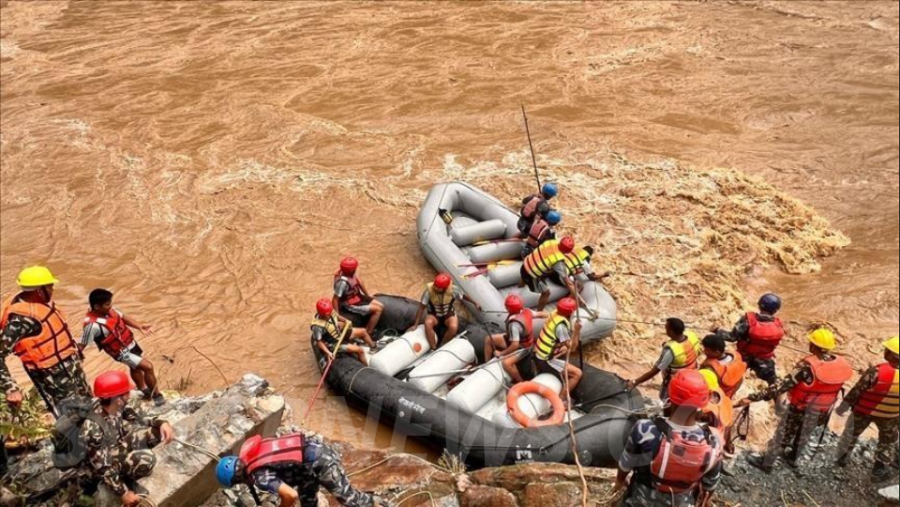
KATHMANDU – At least 469 people have been killed and nearly 1,000 remain missing after catastrophic flash floods and debris flows struck Nepal and Tibet on Wednesday, August 26, 2026, as rescue teams race to find survivors amid the threat of further flooding.
The disaster struck the Himalayan region near the Nepal-China border after a glacier collapse triggered a massive surge of water, rocks, mud and ice. The debris swept through the Bhote Koshi and Trishuli river systems, destroying homes, roads, bridges, hydropower facilities and border infrastructure. Reuters reported that Nepal's confirmed death toll had risen to 469 by Friday morning.
The U.S. Geological Survey (USGS) said the debris flow was likely triggered by a glacial collapse in Langtang National Park near the Chinese border. The resulting flow travelled nearly 100 kilometers, affecting populated areas downstream and reaching Gyirong Port in Tibet.
.png)
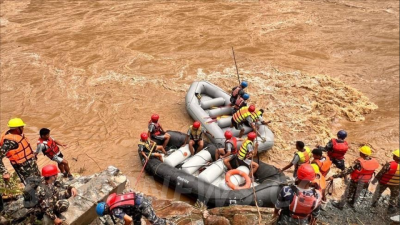
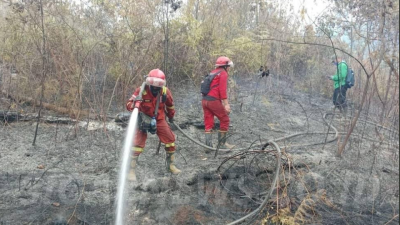
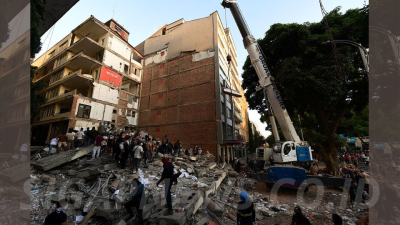
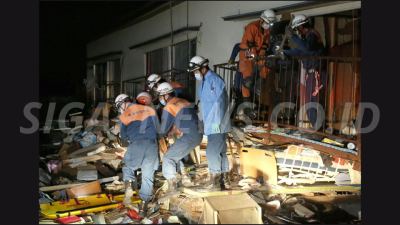
Rescue operations have been complicated by destroyed roads and bridges, leaving some communities cut off. Authorities are using helicopters, heavy machinery, drones and sniffer dogs to search through mud and debris. Thousands of security personnel have been mobilized for search, rescue and evacuation operations.
The disaster has also affected international travelers. Reuters reported that at least 540 foreigners were among those missing, with many people traveling toward Kailash Mansarovar, a major pilgrimage destination in the Himalayan region.
Nepal's Ministry of Foreign Affairs has established an Emergency Control Room to coordinate the search for foreign nationals, verify information and provide consular assistance to affected families and diplomatic missions. Authorities have urged the public not to circulate unverified information.
The rescue effort is facing another danger: newly formed debris-dammed lakes could trigger additional flooding if water levels rise rapidly. Reuters reported that authorities are monitoring the lakes and considering engineering measures to reduce the risk of another major surge downstream.
The International Federation of Red Cross and Red Crescent Societies has released nearly CHF1 million in emergency funding to support the Nepal Red Cross. Emergency priorities include shelter, drinking water, medical supplies and restoring access to isolated communities.
WHO Nepal has also deployed essential medicines and multipurpose tents while strengthening health-risk monitoring in affected areas.
The disaster has renewed international concern over growing hazards in the Himalayan region. Scientists cited by the Associated Press said warming temperatures may contribute to glacier and permafrost instability, although the precise role of climate change in this particular event remains under investigation.
Editor :Farros
Source : Reuters, Associated Press, Al Jazeera, U.S. Geological Surve, IFRC, WHO Nepal, Kemenlu Nepal