FAO Promotes AI-Powered Smart Farming to Strengthen Food Security
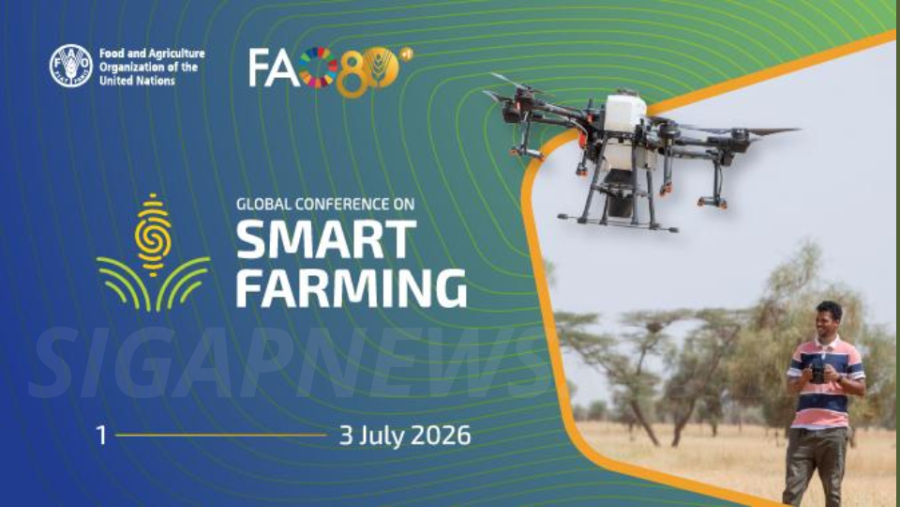
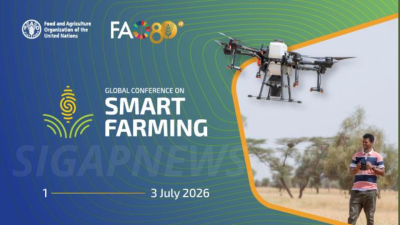
ROME – The Food and Agriculture Organization of the United Nations (FAO) is urging countries to accelerate the adoption of artificial intelligence-powered smart farming as part of global efforts to strengthen food security while addressing climate change, population growth, and increasing pressure on natural resources.
Throughout its 2026 discussions on agrifood transformation, FAO has highlighted digital technologies including artificial intelligence, drones, satellite imagery, Internet of Things (IoT) devices, and advanced data analytics as essential tools for the future of agriculture. The organization says these technologies can help farmers make faster and more informed decisions on irrigation, fertilization, crop management, pest detection, and harvesting.
"Digital technologies have enormous potential to transform agrifood systems and improve food security," FAO said in its digital agriculture framework.
According to the UN agency, precision agriculture enables more efficient use of water, fertilizers, pesticides, and energy while increasing crop yields and reducing environmental impacts. AI-driven systems can also analyze weather forecasts, soil conditions, and satellite data to generate real-time recommendations for farmers.
The World Bank likewise argues that digital agriculture can improve the livelihoods of smallholder farmers by expanding access to market information, financial services, and early warning systems for extreme weather. Meanwhile, the Organisation for Economic Co-operation and Development (OECD) believes artificial intelligence will become increasingly important in improving the efficiency and resilience of global food supply chains.
However, FAO warns that digital transformation cannot succeed without stronger investment in rural internet infrastructure, farmer training, and policies that ensure equitable access to technology, particularly in developing countries. Millions of small-scale farmers still lack reliable internet connections and modern digital tools.
The organization also stresses the importance of responsible AI governance, including data protection, transparency, and ethical use of agricultural technologies to ensure long-term sustainability.
With the world's population expected to approach 10 billion by 2050, FAO believes AI-powered smart farming will play a critical role in producing more food while protecting natural resources. It calls on governments, researchers, private companies, and farming communities to work together in building a more resilient, sustainable, and inclusive global food system.
Editor :Farros
Source : FAO, World Bank, OECD, CGIAR