WHO Urges Faster Action to End Hepatitis
GENEVA – The World Health Organization (WHO) has called on governments worldwide to accelerate efforts to eliminate viral hepatitis as a public health threat, warning that millions of people remain undiagnosed and untreated despite the availability of effective vaccines, testing, and treatment.
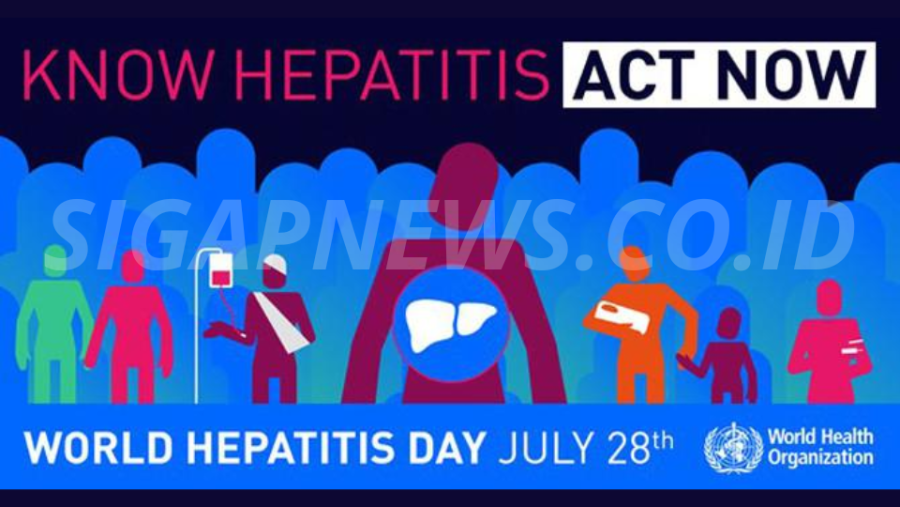
Marking World Hepatitis Day 2026 on July 28, WHO launched this year's campaign under the theme “Hepatitis: Let's break it down,” urging countries to remove barriers that prevent people from accessing prevention, screening, diagnosis, and life-saving care.
“The world has the tools to end hepatitis. What we need now is urgent action to break down the barriers that keep people from testing and treatment,” WHO said in its official World Hepatitis Day campaign.
According to WHO, chronic hepatitis B and C caused approximately 1.3 million deaths worldwide in 2024, primarily from liver cirrhosis and liver cancer. The agency estimates that around 287 million people are currently living with chronic hepatitis B or C infections, while many remain unaware of their condition because they have never been tested.
WHO said expanding access to early diagnosis remains one of the most urgent priorities. The organization urged governments to strengthen hepatitis screening programs, increase hepatitis B vaccination coverage, improve primary healthcare services, and ensure affordable access to antiviral medicines. Health experts say early detection significantly reduces the risk of severe liver disease and prevents further transmission.
Across the world, hospitals, health agencies, and community organizations are marking World Hepatitis Day through public awareness campaigns, free screening initiatives, and educational programs designed to encourage people to know their hepatitis status.
Public health specialists acknowledge that major progress has been achieved over the past decade thanks to expanded vaccination programs and increasingly effective antiviral therapies. Nevertheless, they warn that unequal access to healthcare, social stigma, and funding gaps continue to slow global progress, particularly in low- and middle-income countries.
WHO reiterated that eliminating hepatitis by 2030 remains achievable, provided governments, healthcare providers, civil society, and international partners work together to expand equitable access to prevention, diagnosis, and treatment worldwide.
Editor :Farros
Source : WHO, Pan American Health Organization (PAHO), World Hepatitis Alliance, Reuters