Colombia Earthquake Death Toll Hits 254 as Rescue Teams Search Rubble
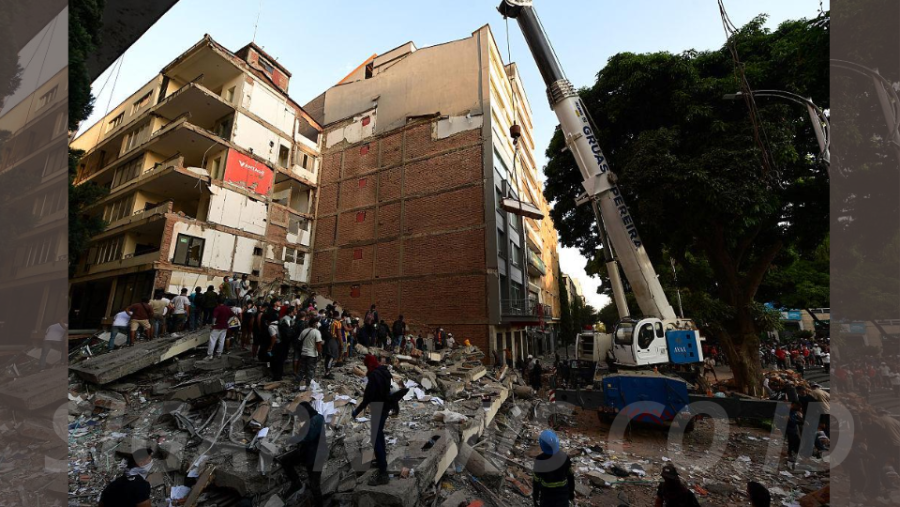
BOGOTA – At least 254 people have died after a powerful magnitude 7.4 earthquake struck western Colombia on Monday, August 10, 2026, while rescue teams continued searching collapsed buildings for survivors. Pereira and Cali were among the hardest-hit cities.
The Colombian Geological Service (SGC) said the earthquake struck at around 7:34 a.m. local time, with its epicenter in San José del Palmar in the Chocó department. The quake occurred at a depth of 103 kilometers and was the strongest-magnitude earthquake recorded in Colombia during the 21st century. Authorities also recorded numerous aftershocks following the main tremor.
SGC Director General Julio Fierro described the earthquake as one of the strongest tremors felt by Colombians in recent years.
“Este es el sismo que se ha sentido más fuerte en la última década en Colombia,” Fierro said, according to the SGC.
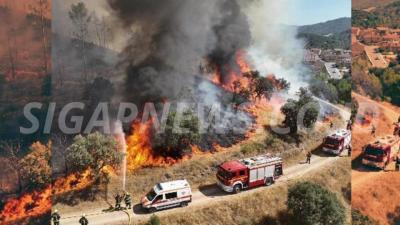
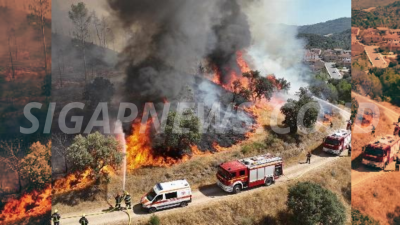
Reuters reported that separate casualty figures from affected cities put the death toll at 254, including 101 deaths in Pereira and 95 in Cali. Thousands of residents were left homeless after apartment buildings, houses, schools and health facilities were badly damaged or destroyed.
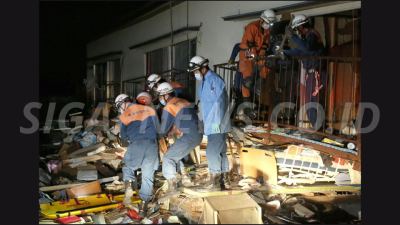
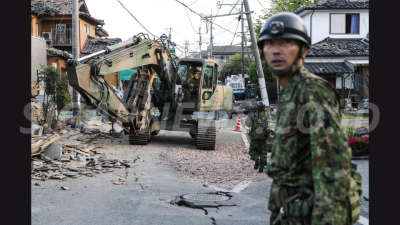
Rescue operations continued through Monday night and Tuesday, with emergency crews using cranes, excavators and heavy equipment while civilians and officials also cleared debris by hand. In Cali, crowds cheered after rescuers pulled a woman alive from the rubble of a collapsed apartment complex.
The response has been complicated by severe infrastructure disruptions. Communities in Chocó near the epicenter were still facing shortages of electricity and basic services, while several major roads remained blocked. Some airports in affected areas were also closed. More than 100 aftershocks had been recorded by Tuesday, according to Reuters.
The Guardian reported that damage extended to Manizales and parts of Valle del Cauca. The Colombian government declared a national emergency to accelerate relief operations and support people displaced by the disaster.
The final death toll could still change as rescue and assessment operations continue. Reuters noted that Colombia's national government had not released a new consolidated figure, while communication failures and difficult access to remote areas were slowing the assessment of the disaster's full impact.
The SGC urged residents to rely on official information and remain alert for aftershocks. The agency explained that western Colombia lies within a subduction zone where the Nazca Plate moves beneath the South American Plate, making the region particularly vulnerable to seismic activity.
Editor :Farros
Source : Servicio Geológico Colombiano (SGC), CNA, Al Jazeera, Reuters, The Guardian