US Tightens Immigration Rules for International Students
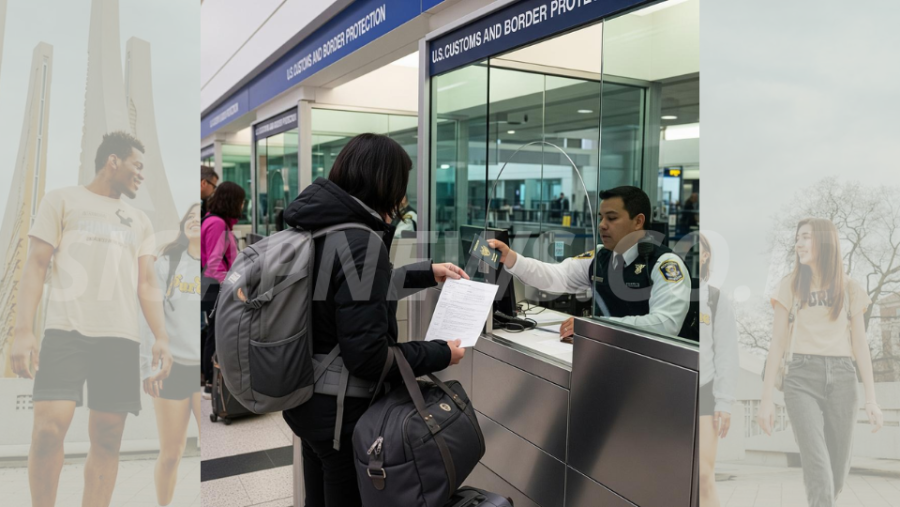
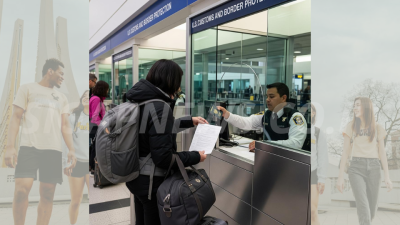
WASHINGTON, D.C. – The United States has introduced sweeping immigration changes that will significantly affect international students, with new regulations set to take effect on September 15, 2026. The policy ends the long-standing Duration of Status (D/S) system, replacing it with fixed periods of stay for many student visa holders.
Under the new Department of Homeland Security (DHS) rule, students holding F-1, M-1, and certain J-1 visas will receive a defined period of authorized stay rather than remaining in the country for the duration of their academic program. Those needing additional time to complete their studies must seek approval from U.S. Citizenship and Immigration Services (USCIS).
The regulation also shortens the post-graduation grace period from 60 days to 30 days, while introducing stricter requirements for transferring schools, changing majors, and extending student status.
The DHS says the changes are designed to strengthen oversight of the student visa system, improve national security, and reduce immigration fraud.
Universities across the country have begun preparing for the transition. Purdue University recently advised international students and scholars to carefully review their immigration documents and monitor federal guidance ahead of the rule's implementation.
Higher education leaders, however, have expressed concern that the new framework could increase bureaucracy, discourage international applicants, and place additional pressure on universities that rely heavily on overseas enrollment. Illinois alone hosts more than 66,000 international students, whose tuition and living expenses contribute billions of dollars annually to the state's economy.
Several universities have also urged students currently abroad to return to the United States before the September deadline to avoid potential travel or immigration complications once the new rule takes effect.
Education analysts believe the policy could reshape global student mobility, particularly for doctoral candidates and researchers whose academic programs often exceed four years. While federal officials argue the rule will strengthen immigration enforcement, universities continue to call for implementation that preserves academic flexibility and maintains the country's attractiveness as a destination for international education.
Editor :Farros
Source : Purdue University, Axios Chicago, The Economic Times, San Francisco Chronicle, Times of India