Trump Imposes New Tariffs on 60 Nations
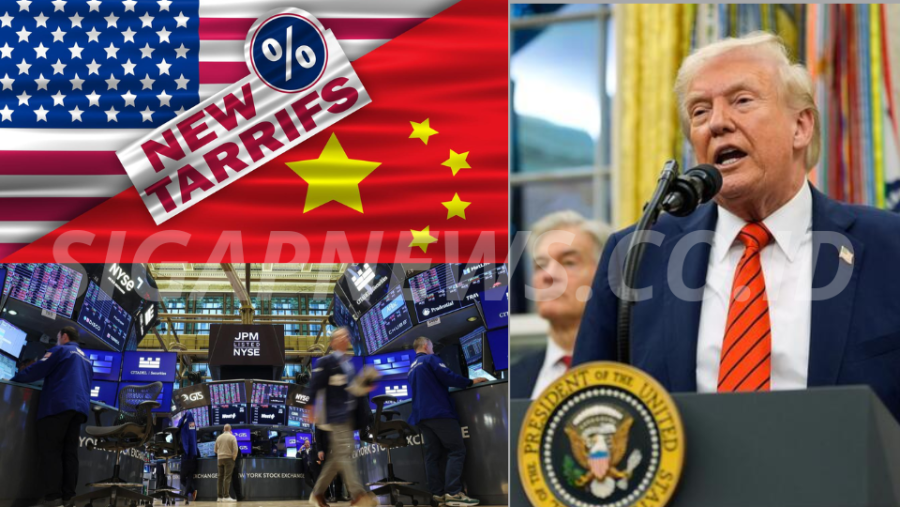
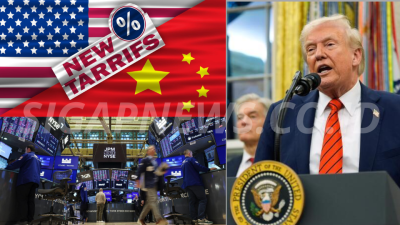
WASHINGTON – U.S. President Donald Trump has imposed new import tariffs ranging from 10% to 12.5% on goods from 60 trading partners, marking one of the most significant trade actions of his administration this year and drawing criticism from governments around the world.
According to Reuters, the measures were introduced under Section 301 of the Trade Act of 1974 after earlier tariff authorities faced legal challenges. The White House said the new duties are intended to pressure trading partners that Washington believes have failed to prevent goods produced through forced labor from entering global supply chains.
In its policy statement, the U.S. administration said the decision is designed to protect American manufacturers while strengthening international labor standards.
"The United States will continue to ensure that goods produced through forced labor do not enter our market," the administration said, according to Reuters.
The tariffs affect approximately 99% of U.S. imports from the targeted economies. However, key products including oil, natural gas, fertilizers, food, vehicles, and aircraft have been exempted to reduce disruption to domestic supply chains.
Several countries, including China, Brazil, Australia, and Norway, criticized the move, arguing that the broad application of tariffs is unjustified and warning that retaliatory trade measures remain under consideration if negotiations fail.
Although global financial markets reacted relatively calmly on the first day of implementation, economists cautioned that higher import costs could eventually raise consumer prices in the United States and place additional pressure on international trade. Analysts also warned that the policy could reignite trade disputes between Washington and several of its largest commercial partners.
Reuters reported that the Trump administration remains open to negotiations with affected countries if they strengthen enforcement against forced labor within their supply chains. At the same time, Washington is considering additional trade measures targeting sectors viewed as suffering from excessive global production.
Trade experts believe the new tariff regime is likely to become a defining issue in global commerce over the coming months as governments, businesses, and investors closely monitor whether the policy leads to renewed trade retaliation or fresh international agreements.
Editor :Farros
Source : Reuters, Associated Press, The Guardian, The Straits Times, The Independent