UNESCO: World Needs One More Teacher for Every Two Teachers
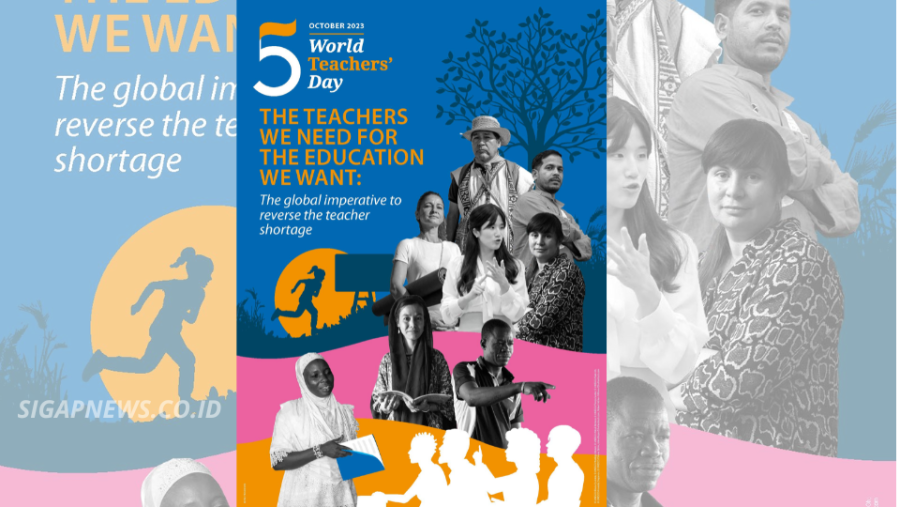
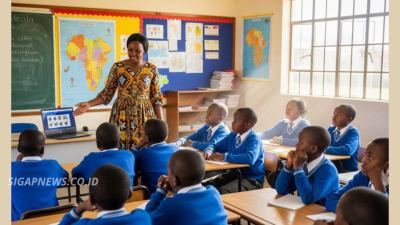
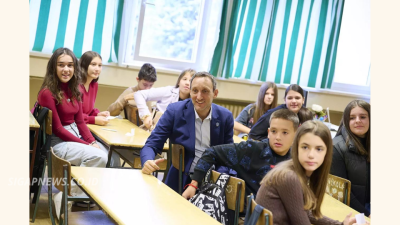
PARIS – UNESCO has warned that the world is facing a major teacher shortage, with 50 million additional teachers needed by 2030 for pre-primary, primary and secondary education.
The figure means the world needs roughly one additional teacher for every two teachers currently working. The latest data were released by the UNESCO Institute for Statistics and the International Task Force on Teachers for Education 2030 to mark World Teachers’ Day 2026 on October 5. There are currently around 107 million teachers worldwide across the three education levels.
UNESCO said the challenge is not only about recruiting more educators, but also retaining teachers already in the profession. Around 58 percent of the teachers needed by 2030 are expected to replace educators leaving the profession, rather than expand the existing workforce.
Teacher attrition varies across education levels. UNESCO reports an attrition rate of 7.2 percent in pre-primary education, 5.4 percent in secondary education and 4.7 percent in primary education.
The status of the teaching profession is another concern. According to the OECD's TALIS 2024 survey, in 75 percent of participating countries, fewer than 40 percent of teachers felt their profession was valued by society. Teachers who felt valued were more than 10 percent less likely to consider leaving the profession within five years.
Workload is also putting pressure on educators. UNESCO estimates that teachers spend an average of 19 hours per week teaching in classrooms, while their total working time can reach around 60 hours, including lesson preparation, grading and administrative duties.
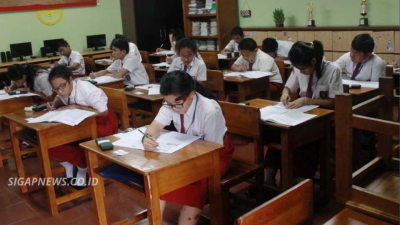
At the primary level, the global pupil-to-trained-teacher ratio stands at approximately 28 to 1, adding further pressure on educators and potentially limiting the attention teachers can provide to individual students.
World Teachers’ Day 2026 also marks the 60th anniversary of the 1966 ILO/UNESCO Recommendation concerning the Status of Teachers. UNESCO, the International Labour Organization, UNICEF and Education International used the occasion to call for stronger recognition and support for the teaching profession.
UNESCO recommends improving salaries and career pathways, creating safer and more supportive school environments, reducing unnecessary administrative workloads and giving teachers a stronger voice in education policy.
The organization argues that expanding the teacher workforce must go hand in hand with making teaching a more attractive, respected and sustainable profession. Without such measures, the global teacher shortage could continue to undermine efforts to achieve quality education for all by 2030.
Editor :Farros
Source : UNESCO, UNESCO Institute for Statistics, International Task Force on Teachers for Education 2030, In