Thailand’s Sea Suddenly Turns Green as Plankton Bloom Disrupts Tourism
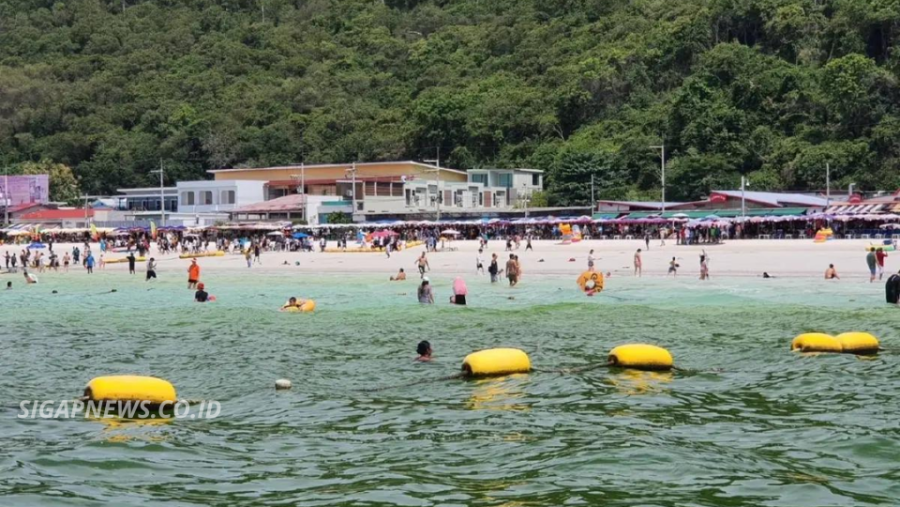
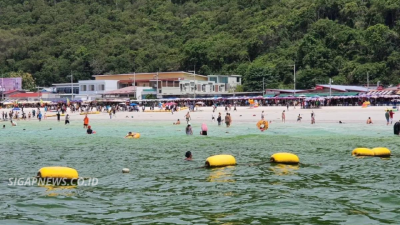
JAKARTA – The sea surrounding Ko Lan, a popular tourist island near Pattaya, Thailand, suddenly turned bright green and developed a strong odor in early October 2026. Researchers say the unusual discoloration was caused by a plankton bloom following heavy rains and flooding in parts of Thailand.
Dense patches of green water appeared along sections of the island’s coastline in the Gulf of Thailand. Jet skis could be seen floating in the discolored water, while some tourists avoided swimming and moved to areas where the sea remained clear.
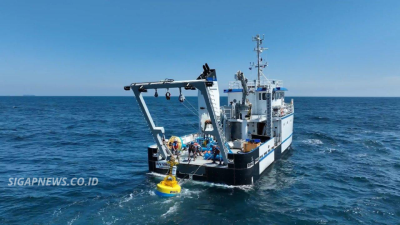
Researchers from Burapha University’s Institute of Marine Science visited the island to collect water samples and examine the environmental conditions.
Senior researcher Arvut Munhapon identified the visible organism as Noctiluca, a type of plankton that can naturally occur in marine environments. Researchers are continuing to analyze water samples to better understand the scale and causes of the bloom.
Plankton blooms are natural and recurring phenomena. However, researchers say warmer seas, fertilizer runoff and nutrient-rich wastewater can contribute to rapid plankton growth.
Thailand has experienced significant rainfall and flooding in recent weeks, increasing the amount of freshwater flowing into the Gulf of Thailand. The additional nutrients carried by runoff may have helped create conditions favorable for the bloom.
Such blooms typically last around two to three days, but their ecological impact can continue after the green water disappears.
When large quantities of plankton die, decomposition can consume dissolved oxygen in the water. This can create hypoxic conditions, sometimes referred to as aquatic “dead zones,” where oxygen levels become too low to support marine life.
Researchers also say this year’s monsoon conditions and El Niño may be contributing to the situation. Warmer seawater holds less dissolved oxygen, although scientists stress that further research is needed to confirm the precise relationship between these factors and the current bloom.
The phenomenon has already affected tourism on Ko Lan. Beach vendors reported fewer customers, while some visitors moved to unaffected areas or stayed out of the water altogether.
The unusual event highlights how rapidly changing marine conditions can affect popular tourist destinations and underscores the importance of monitoring water quality during major plankton blooms.
Editor :Farros
Source : Reuters, Institute of Marine Science Burapha University, Bangkok Post, The Straits Times.