30-Year Australian Forest Experiment Produces a Surprising Result
JAKARTA – A decades-long forestry experiment in Victoria, Australia, has produced a surprising result. Mountain ash forests that underwent heavy thinning developed significantly larger trees and, after 30 years, stored as much or even more wood carbon than nearby unharvested forest.
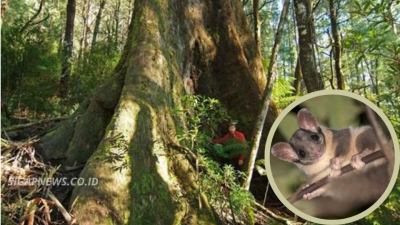
The findings come from the Silvicultural Systems Project, a long-term experiment established in the late 1980s in Victoria’s mountain ash forests, including the Tanjil Bren area of the Central Highlands.
Researchers compared several forest-management approaches, including clearfelling, different-sized openings and heavy thinning, in which roughly 50–70 percent of trees were removed. Unharvested forest was maintained as a control for comparison.
The project was designed to address a long-running debate in Australia over how forests could be managed while maintaining important ecological functions.
After the main monitoring program ended, however, the experimental site was largely forgotten.
The trees continued to grow.
When researchers returned decades later, they found striking differences between the treatments. Trees remaining in the heavily thinned areas had grown exceptionally large.
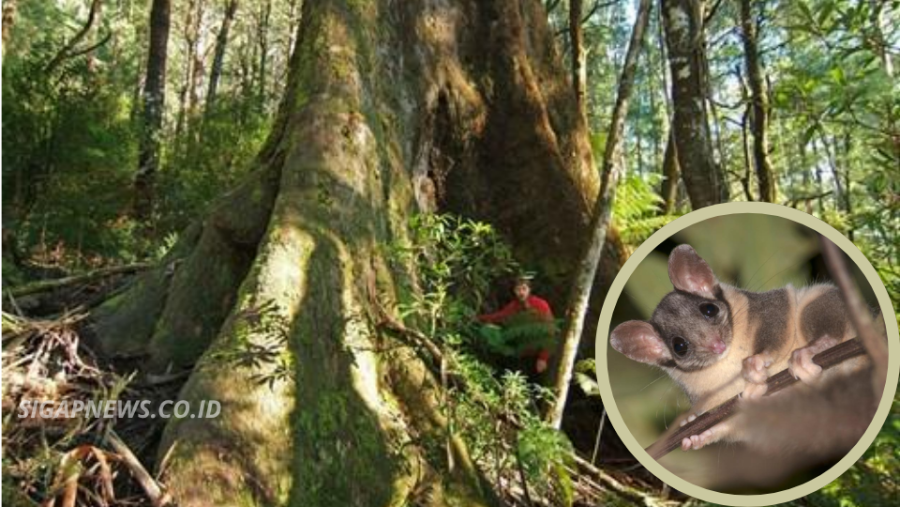
The largest trees were more than 1 meter in diameter, with some exceeding 1.5 meters. The largest trees in the thinned stands were also about 20 percent larger in diameter than those in the unharvested control areas.
The carbon results were even more surprising.
After 30 years, the heavily thinned forest had recovered the wood carbon removed during harvesting and accumulated as much or more carbon in its trees than the unharvested control forest.
Researchers suggest that the remaining trees benefited from increased access to sunlight, water, nutrients and growing space, allowing them to grow substantially faster.
Larger trees can also provide important ecological benefits. Mature trees are more likely to develop hollows that provide habitat for wildlife, while changes in forest structure can create conditions favorable to understory vegetation.
Camera-trap surveys also detected Leadbeater’s possums, a threatened Australian species, across the silvicultural treatment plots, while the animals were not detected in the unharvested control areas surveyed.
However, the researchers caution against interpreting the results as evidence that logging is generally better for forests. The findings come from a specific mountain ash ecosystem, and forest-management outcomes can vary depending on forest type, harvesting intensity, climate and wildlife.
Instead, the study highlights the importance of long-term ecological research. A forest experiment that was nearly forgotten ended up providing valuable evidence that could not have been captured through a short-term study.
The findings could contribute to future discussions about how forests can balance timber production, carbon storage, tree growth and wildlife habitat.
Editor :Farros
Source : University of Melbourne, Forest Science, The Conversation, Phys.org, ScienceDaily.