Indonesia Declares Former Strongman Suharto a National Hero, Sparking Backlash
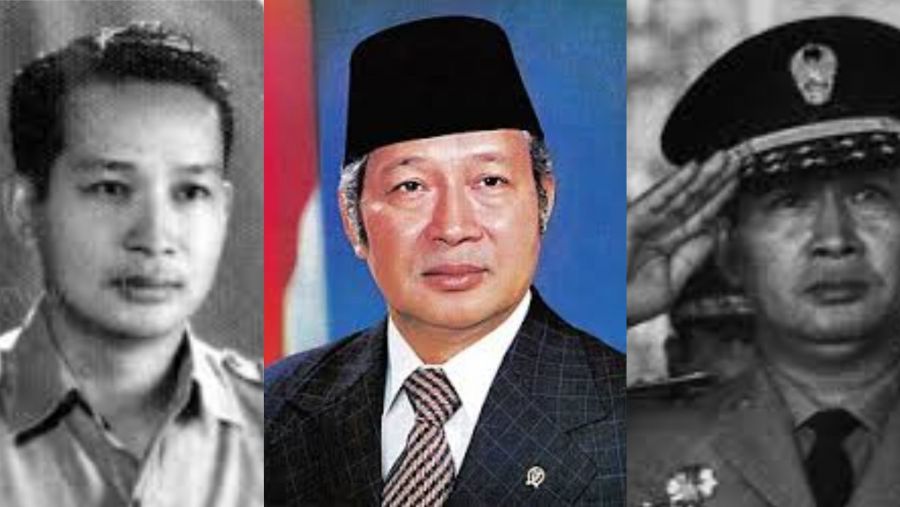
Soeharto - Second President of Indonesia
JAKARTA — Indonesia has officially named its late former president Suharto a national hero, a move that has triggered widespread controversy over his authoritarian rule and human rights record during his 32-year tenure.
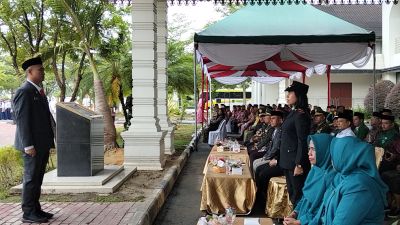
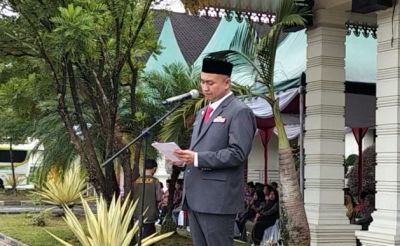
The announcement was made on Sunday, November 10, 2025, during a National Heroes Day ceremony in Jakarta, led by President Prabowo Subianto, Suharto’s former son-in-law, Reuters reported.
According to the Indonesian government, the honor recognizes Suharto’s “contributions to national development and state stability” during his presidency from 1967 to 1998, a period often described as the New Order era. The decision followed recommendations from the Ministry of Social Affairs and the National Hero Title Council (Dewan Gelar, Tanda Jasa, dan Tanda Kehormatan), Financial Times noted.
“This recognition acknowledges his dedication to Indonesia’s growth and resilience,” a government spokesperson was quoted as saying by Reuters.
However, the decision has drawn sharp criticism from human rights activists, historians, and victims’ families, who argue that the title whitewashes Suharto’s authoritarian legacy marked by widespread corruption, suppression of dissent, and alleged mass killings following the 1965 coup attempt.
“It’s an insult to the victims of Suharto’s brutal regime,” said Usman Hamid, executive director of Amnesty International Indonesia, as quoted by The Guardian. “Thousands were tortured, imprisoned, or killed under his rule. Declaring him a hero distorts history.”
Suharto, who ruled Indonesia for more than three decades, was forced to resign in 1998 amid mass protests and an economic crisis that ended the New Order regime. Despite accusations of corruption with estimates of embezzled funds reaching tens of billions of dollars, according to Transparency International he was never tried in court due to ill health until his death in 2008.
International observers note that the decision reflects Prabowo’s complex relationship with the Suharto legacy, as he has long sought to rehabilitate his former mentor’s image.
The Financial Times wrote that the move “underscores the enduring political influence of the Suharto family within Indonesia’s power elite.”
“This is not just about history it’s about the future of Indonesia’s democracy,” said Andreas Harsono, researcher at Human Rights Watch, in The Guardian.
The designation comes amid concerns about democratic backsliding in Indonesia, where critics fear that revising Suharto’s legacy may signal a broader attempt to soften perceptions of past authoritarianism.
Reuters noted that the decision has reignited national debate over how Indonesia reconciles rapid economic development under Suharto with the systemic repression that sustained his rule.
Editor :Farros
Source : Reuters, The Guardian, Financial Times