Global Health Funding Cuts Threaten Gains on HIV, TB and Malaria

GENEVA — International funding for major global health programs targeting HIV/AIDS, tuberculosis (TB), and malaria has declined recently, putting decades of progress at risk, according to a new analysis published on 8 November 2025.
According to the report by the European AIDS Treatment Group (EATG), many donors and global partners are reducing their contributions to health funding initiatives.
“If funding continues to fall, the world could lose momentum in the fight against infectious diseases,” said an EATG spokesperson, as quoted in the report.
The analysis notes that large-scale programmes such as the Global Fund to Fight AIDS, Tuberculosis and Malaria are now facing multi-billion-dollar financing gaps. “These gaps are not just numbers they are direct threats to millions who rely on basic health services,” the report states.
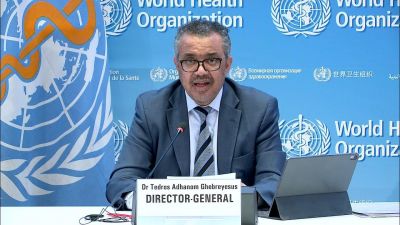
The World Health Organization (WHO) warned that reduced international funding could lead to resurgence of diseases that had been previously suppressed.
“We risk seeing diseases we managed to bring down come back,” said Dr Tedros Adhanom Ghebreyesus, WHO Director-General, in a press statement.
Health experts attribute the funding shortfall to fiscal pressures in donor countries and shifting priorities post-COVID-19. “Economic strain in Europe and North America has pushed global health further down the priority list, even though the greatest impact will be in Africa and South Asia,” said a global health analyst at the London School of Hygiene & Tropical Medicine.
The report calls for countries in the Group of Twenty (G20) to reaffirm their funding commitments and strengthen global cooperation mechanisms. “Investing in health is not just humanitarian — it’s global stability,” the EATG emphasised.
Without collective action, the targets to eliminate HIV, TB and malaria by 2030 seem increasingly out of reach, warns the analysis.
Editor :Farros
Source : Center for Global Development, European AIDS Treatment Group