US-Iran Tensions Escalate as Strait of Hormuz Faces Renewed Risks
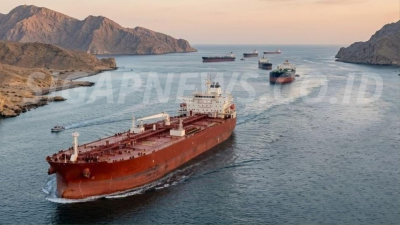
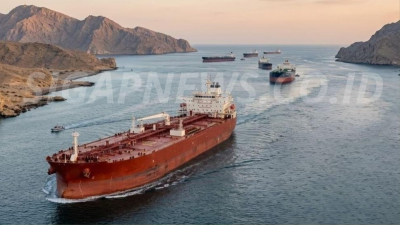
DUBAI – Tensions between the United States and Iran intensified on Wednesday and Thursday after the U.S. military launched a new wave of strikes against Iranian military targets, while Tehran warned it could expand disruptions to regional energy exports. The latest escalation has once again placed the Strait of Hormuz—through which roughly one-fifth of global oil shipments normally pass—at the center of international concern.
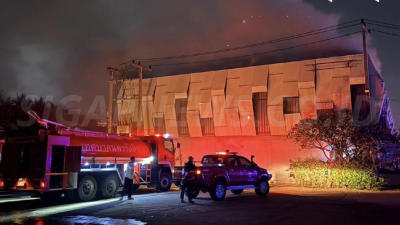
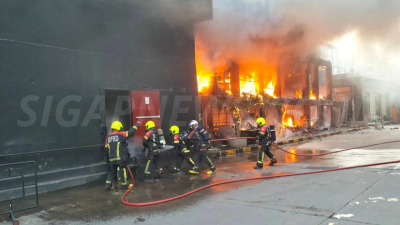
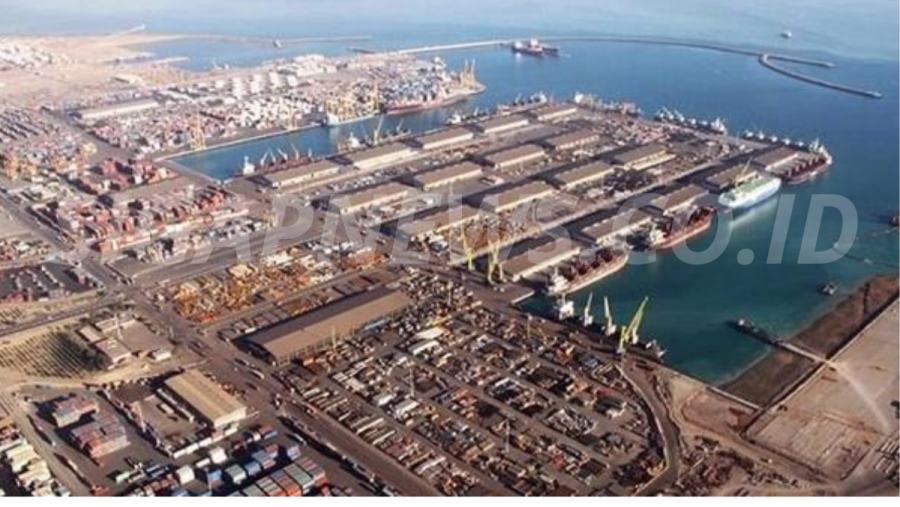
According to Reuters, U.S. Central Command (CENTCOM) said its latest operation targeted Iran's coastal defense systems, missile sites, and military facilities around Bandar Abbas. Washington said the strikes were intended to degrade Iran's capability to threaten commercial shipping transiting the Strait of Hormuz.
.png)
Iran strongly condemned the attacks, describing the confrontation as an "existential war" with the United States. Iranian officials also warned that additional regional energy exports could be disrupted if military pressure continues.
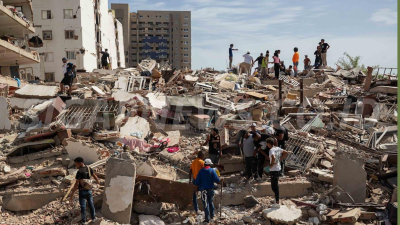
The Associated Press reported that the United States expanded military operations into northern Iran, while Tehran responded with missile and drone attacks targeting locations hosting U.S. forces across Gulf states. The exchange has heightened fears that the conflict could spread further across the Middle East.
The confrontation has also rattled global energy markets. Reuters reported that vessel traffic through the Strait of Hormuz declined sharply as security risks increased. Oil prices climbed toward one-month highs before easing as traders assessed the possibility of a wider conflict and potential supply disruptions. Analysts warned that any prolonged interruption to shipping could significantly affect global energy markets.
Meanwhile, The Guardian said the renewed hostilities came only days after a fragile ceasefire collapsed. The newspaper reported that continued strikes and Iran's threats involving the Strait of Hormuz have renewed concerns over a broader regional war.
Security analysts say the crisis has evolved beyond a bilateral confrontation into a major geopolitical and economic challenge. As long as instability persists around one of the world's most strategic maritime corridors, governments, shipping companies, and energy markets are expected to remain on high alert while diplomatic efforts continue to prevent further escalation.
Editor :Farros
Source : Reuters, Associated Press, The Guardian