Bangladesh Floods Kill 44, Leave Over One Million Stranded
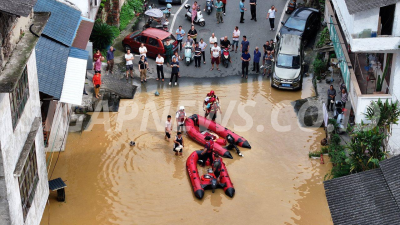
DHAKA – Catastrophic monsoon floods and landslides have killed at least 44 people and left more than one million residents stranded across southeastern Bangladesh, as authorities race to deliver emergency aid to devastated communities while heavy rainfall continues to threaten the region.
According to Reuters, days of relentless monsoon rain triggered widespread flooding across seven districts, including Chattogram, Cox's Bazar, Bandarban, Rangamati, Khagrachhari, Moulvibazar, and Habiganj.
Bangladesh's Ministry of Disaster Management said at least 267,918 households have been affected, with damaged roads, collapsed bridges, and disrupted communications leaving thousands of families cut off from emergency assistance.
.png)
Military personnel, rescue workers, firefighters, and volunteers have been deployed to deliver food, clean drinking water, medical supplies, and other essential aid by boat to isolated communities.
Relief operations, however, have been slowed by widespread power outages, damaged transport networks, and continuing rainfall that has complicated access to flooded areas.
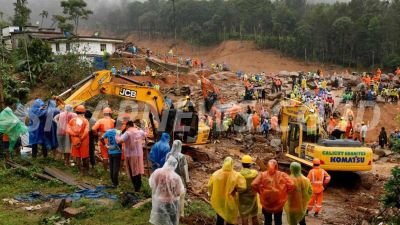
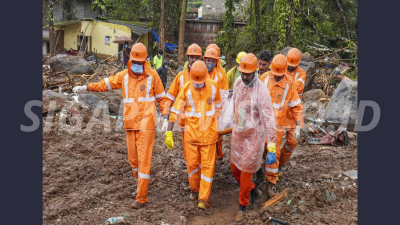
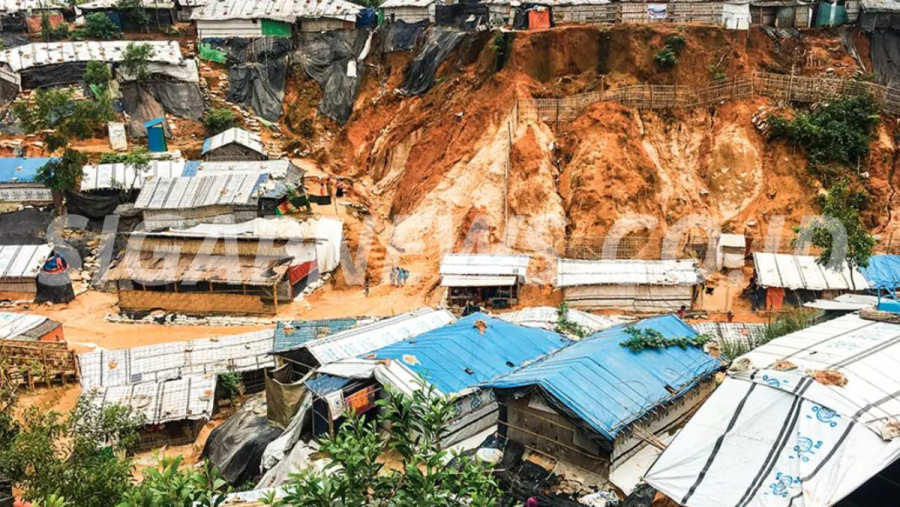
The disaster has also intensified humanitarian concerns in Cox's Bazar, home to the world's largest Rohingya refugee settlement. The Associated Press (AP) reported that at least eight Rohingya refugees, including women and children, were killed when rain-triggered landslides buried makeshift shelters built on vulnerable hillsides.
Bangladeshi authorities have relocated around 1,000 refugees from high-risk zones as additional rainfall is forecast in the coming days.
According to UNHCR, the Rohingya camps remain highly vulnerable to flooding and landslides because many shelters are located on steep, deforested slopes. Humanitarian agencies have repeatedly warned that extreme weather poses a growing threat to the safety of displaced families living in temporary housing.
Climate experts say increasingly intense monsoon rainfall across South Asia reflects a broader trend of more frequent extreme weather events associated with climate change. Bangladesh, one of the world's most disaster-prone nations due to its low-lying geography and extensive river systems, faces recurring floods every year.
Authorities continue to monitor weather conditions closely as forecasters warn that further heavy rainfall could trigger additional flooding and landslides, placing more communities at risk.
Editor :Farros
Source : Reuters, Associated Press (AP), UNHCR