El Nino Threat Raises Flood Risks Across Asia and Africa
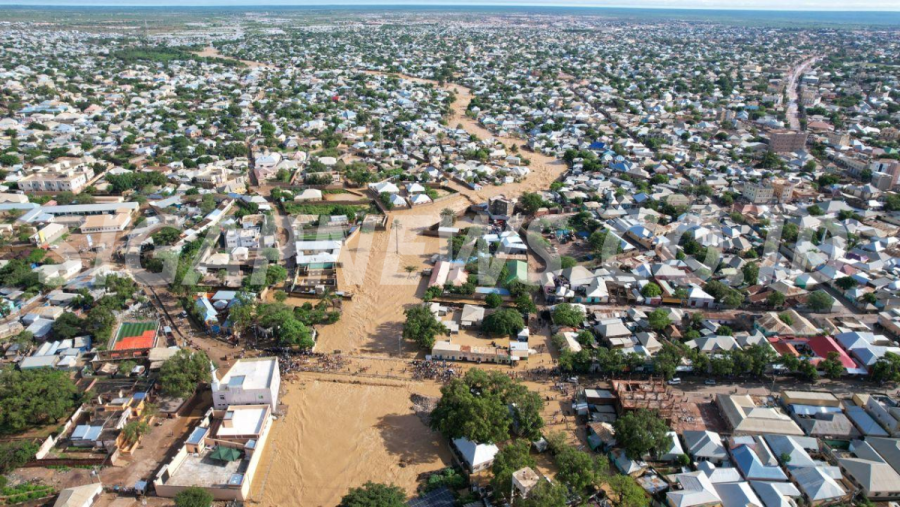
GENEVA – The World Meteorological Organization (WMO) has warned that a strengthening El Niño is likely to increase the risk of severe flooding across parts of Asia and Africa later this year, prompting United Nations agencies and humanitarian organizations to urge governments to accelerate disaster preparedness measures.
According to the WMO's latest climate update, there is an 80 percent probability that El Niño conditions will develop during June–August 2026 and persist through the end of the year. The agency said the phenomenon is expected to significantly alter global rainfall patterns, bringing above-normal precipitation to some regions while intensifying drought in others.
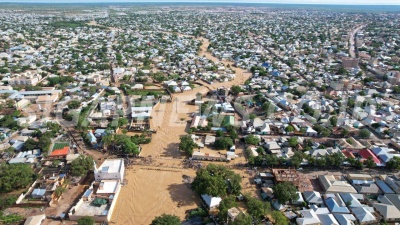
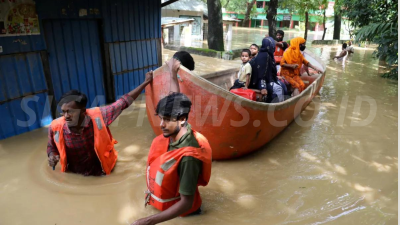
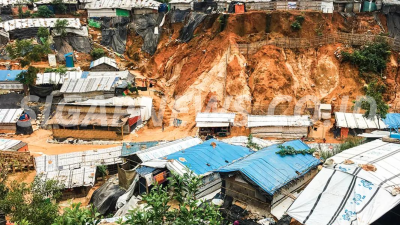
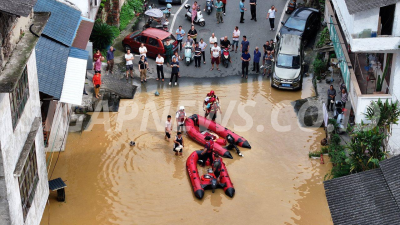
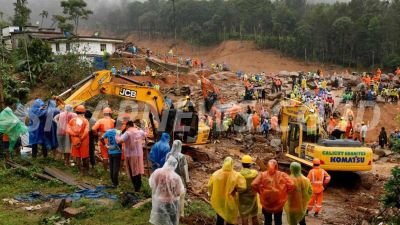
Al Jazeera reported that humanitarian agencies are closely monitoring East Africa and South Asia, where countries including Somalia, Ethiopia, Kenya, Pakistan, Bangladesh, and India could experience widespread flooding, landslides, and disruptions to agriculture if exceptionally heavy rainfall materializes.
WMO Secretary-General Celeste Saulo urged governments to act before conditions deteriorate.
"Early warnings and early action are essential to save lives and reduce economic losses," Saulo said in the organization's official statement.
Beyond flooding, climate experts warn that El Niño could amplify other extreme weather events worldwide. Reuters reported that Chinese scientists expect the combination of climate change and the emerging El Niño to increase the intensity of tropical storms and extreme rainfall, raising the likelihood of catastrophic flooding in several regions of China.
.png)
Meanwhile, The Guardian cited recent scientific assessments indicating that the developing event has an increasing chance of becoming a "super El Niño", potentially worsening heatwaves, floods, droughts, and global food insecurity if it reaches exceptional strength. Economists also warn that severe weather disruptions could place additional pressure on agricultural production and international food prices.
Climate analysts say developing countries remain particularly vulnerable because of limited infrastructure, inadequate drainage systems, and constrained emergency response capacity. The WMO and other UN agencies are calling on governments to strengthen early warning systems, improve disaster preparedness, and invest in climate-resilient infrastructure to reduce the human and economic impacts of increasingly frequent extreme weather events.
Editor :Farros
Source : World Meteorological Organization (WMO), Al Jazeera, Reuters, The Guardian, World Economic Forum