Anti-Immigrant Protests Escalate Across South Africa
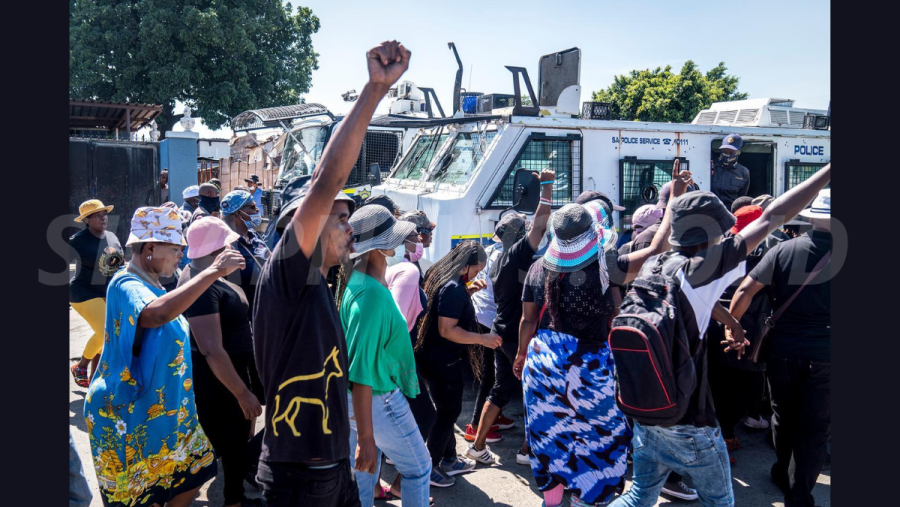
JOHANNESBURG – Anti-immigrant demonstrations have intensified across South Africa after protesters carried out door-to-door searches for suspected undocumented migrants, forcing thousands of foreign nationals to flee their homes and raising fresh concerns over public safety, economic stability, and regional diplomacy.
According to Reuters, demonstrators entered residential neighborhoods in Alexandra township, Johannesburg, where they escorted suspected undocumented migrants to police vehicles.
Among those detained were nationals from Malawi and Zimbabwe. One Zimbabwean man told Reuters that he legally resided in South Africa under the Zimbabwean Exemption Permit (ZEP). President Cyril Ramaphosa condemned vigilante actions, stressing that immigration enforcement must remain the responsibility of state authorities.
The protests have been fueled by widespread frustration over high unemployment, rising crime, and years of weak economic growth. Anti-immigration groups argue that undocumented migrants are taking jobs and placing additional pressure on public services.
Economists, however, warn that sectors such as construction, agriculture, retail, transportation, and informal commerce rely heavily on migrant workers. Reuters, citing OECD and ILO estimates, reported that migrants contribute roughly 9 percent of South Africa's Gross Domestic Product (GDP).
The unrest has prompted a significant outflow of foreign nationals. Reuters reported that more than 38,000 Malawians and approximately 60,000 Zimbabweans have returned to their home countries amid growing fears of violence.
The crisis has also affected diplomatic relations. Ghana postponed planned bilateral meetings with South Africa, while Nigeria protested after reporting the deaths of two of its citizens during the recent surge in anti-migrant violence.
Al Jazeera reported that human rights organizations have urged South African authorities to ensure the protection of migrants and prevent further acts of intimidation.
Meanwhile, Human Rights Watch, Amnesty International, and the International Organization for Migration (IOM) reiterated that governments are obligated to safeguard the rights and dignity of all individuals regardless of nationality or immigration status.
Analysts say the crisis reflects deeper structural challenges facing South Africa, where persistent unemployment and slow economic growth have intensified social tensions.
If the government fails to restore public confidence and address the root causes of the unrest, observers warn that the violence could further undermine investor confidence, disrupt labor markets, and strain South Africa's relations with neighboring African countries.
Editor :Farros
Source : Reuters, Al Jazeera, Human Rights Watch, Amnesty International, International Organization for Migra