WHO Launches Global Framework to Protect Pregnant Women and Babies from Extreme Heat
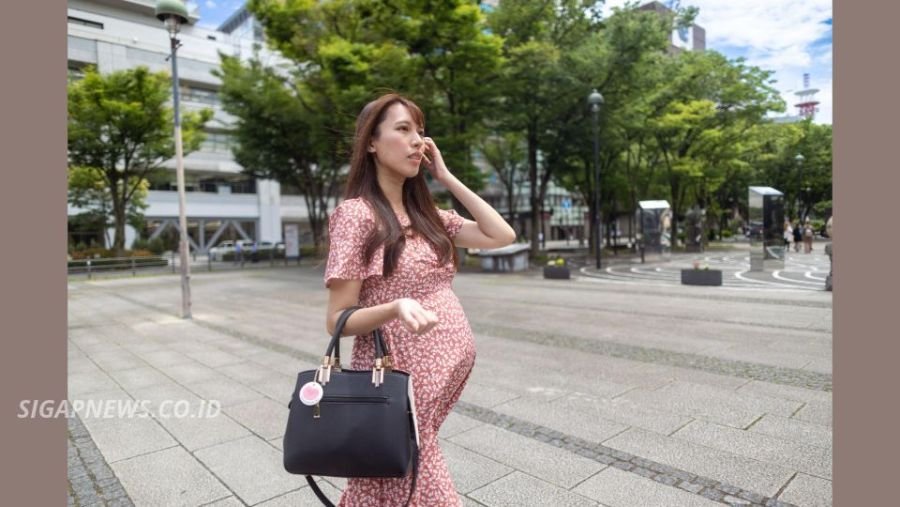
A pregnant woman goes about her daily activities in the heat. The WHO warns that exposure to extreme heat is linked to an increased risk of health problems during pregnancy.
GENEVA – The World Health Organization (WHO), together with three other United Nations agencies, launched the first global framework to monitor the health impacts of extreme heat on pregnant women, newborns and children on Wednesday, October 21, 2026.
Developed jointly with the World Meteorological Organization (WMO), UNICEF and the United Nations Population Fund (UNFPA), the initiative comes as climate change increases the frequency, duration and intensity of heatwaves worldwide.
According to WHO, research has associated extreme heat exposure with a 26 percent increase in the odds of preterm birth.
Meanwhile, babies under one year of age experienced 389 percent more heatwave days in 2024 compared with the 1986–2005 baseline period.
Globally, approximately 1.5 billion children are exposed to heatwaves that are becoming more frequent, longer or more severe.
The new publication, Priority Indicators to Monitor the Impact of Heat Exposure on Maternal, Newborn and Child Health, introduces a set of indicators to help countries identify and respond to temperature-related health risks.
These include preterm births, stillbirths, low birthweight, pregnancy-related hypertension, child deaths and visits to health facilities during periods of extreme heat.
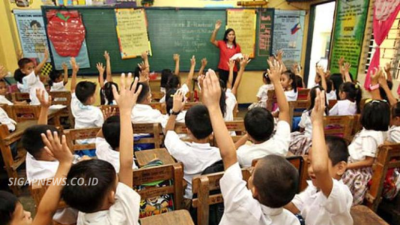
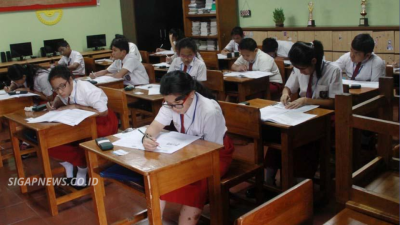
Monitoring school attendance is also recommended to assess how rising temperatures disrupt children's daily lives.
By combining routine health information with temperature and heat-exposure data, authorities can identify unusual patterns, investigate potential health impacts and respond more effectively.
Bruce Gordon, Acting Director of WHO's Department of Environment, Climate Change, One Health and Migration, warned that global warming is creating additional health risks for populations least able to escape extreme temperatures.
WHO stressed that hospitals, maternity services and community health facilities need better information to anticipate increased demand during heatwaves.
Dr. Pascale Allotey, Director of WHO's Department of Sexual, Reproductive, Maternal, Child and Adolescent Health and Ageing, also emphasized the importance of systematically tracking health outcomes to guide effective protection measures.
The organization urged governments to develop context-specific heat-health action plans, strengthen early warning systems and integrate the needs of pregnant women, newborns and children into climate adaptation policies.
The framework is intended to help countries translate climate and health data into preventive action before extreme heat causes further harm.
Editor :Farros
Source : World Health Organization (WHO), World Meteorological Organization (WMO), UNICEF, United Nations Pop