Indonesia Turns Batik Into a Hands-On Tourism Experience for Foreign Visitors
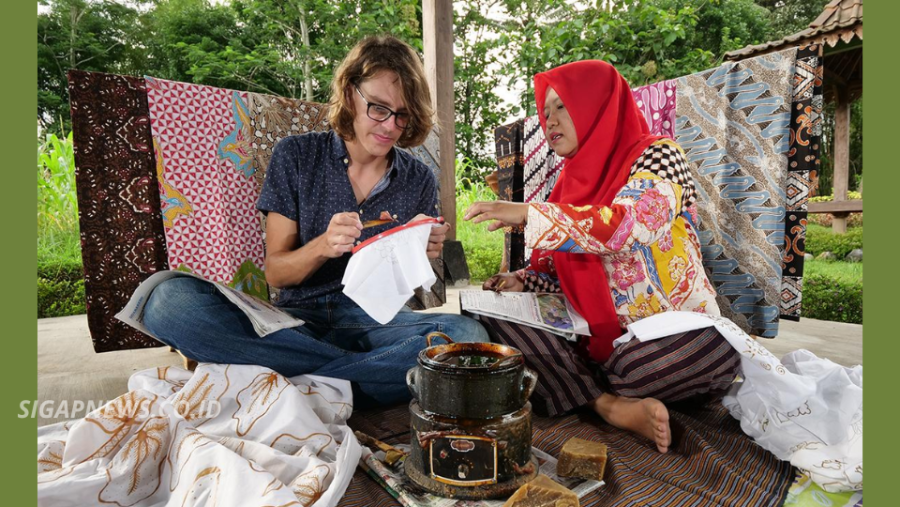
JAKARTA – Indonesia is pushing batik beyond its role as a traditional product and turning it into a hands-on cultural tourism experience, allowing international visitors to explore the craft, its philosophy and the communities behind the fabrics.
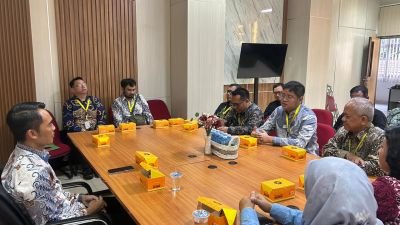
Ni Made Ayu Marthini, Deputy for Marketing at Indonesia’s Ministry of Tourism, said batik tourism could include workshops, tours of production centers and longer stays in traditional batik communities. The proposal was presented by the ministry on Wednesday, September 30, 2026.
“Batik is not merely a product, but also a process and a philosophy of life. UNESCO has recognized it as intangible cultural heritage since 2009,” Made said.
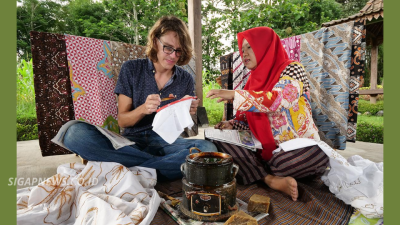
The ministry said tour operators could offer two-hour batik-making workshops or half-day visits to production centers. The experience could also be expanded into multi-day stays involving local artisans.
Visitors could be taken through traditional neighborhoods, enter artisans’ homes and observe the process from drawing patterns with a canting to dyeing and drying the fabric.
“Tourists can be invited to slowly walk through village alleys, enter artisans’ homes one by one, see the canting, the dyeing process and the drying,” Made said.
From Product to Experience
The ministry believes that understanding the philosophy and production process can also increase appreciation for handmade batik.
“Tourists who understand the philosophy will appreciate the price of hand-drawn batik more,” Made said.
Indonesia is promoting destinations including Pekalongan, Solo, Sragen, Yogyakarta, Cirebon, Madura and Jambi as batik tourism destinations. Batik villages such as Kauman and Laweyan in Solo and Giriloyo in Yogyakarta are among the destinations being developed around the craft.
The goal is not simply to sell batik to foreign visitors. Longer stays in batik villages could increase direct spending on locally made products while connecting travelers with artisans and their communities.
The Tourism Ministry sees potential among Southeast Asian travelers because of cultural similarities, while Japan and South Korea may be attracted by craftsmanship and detail. European travelers are also considered a potential market because of their interest in culture and slow fashion.
If developed consistently, batik tourism could offer foreign travelers a different way to discover Indonesia—not simply by buying a finished fabric, but by experiencing the story behind every pattern.
Editor :Farros
Source : Indonesian Ministry of Tourism, ANTARA News, Education and information on batik destinations from th