Hormuz Disruption Keeps Global Energy Markets Under Pressure
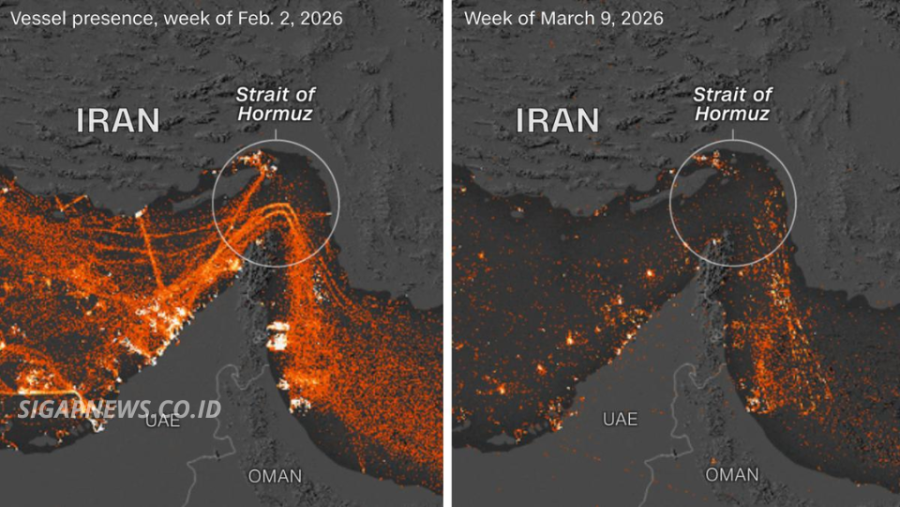
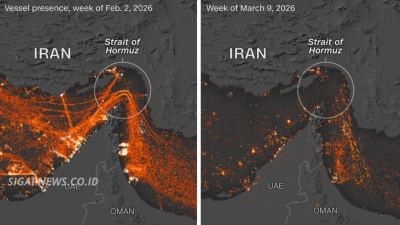
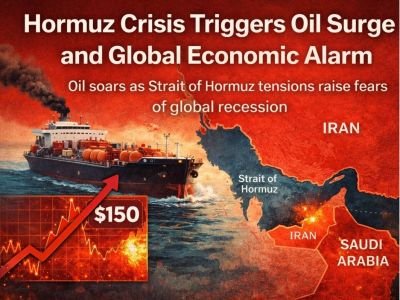
SINGAPORE – Prolonged disruption around the Strait of Hormuz is keeping global energy markets under pressure as one of the world's most important oil-shipping routes has yet to fully return to normal. Brent crude rose by about 1% on September 30 after U.S.-Iran talks failed to produce a breakthrough that could guarantee a full recovery in maritime traffic.
Brent crude for November delivery settled at $103.50 a barrel, up 91 cents. U.S. West Texas Intermediate crude rose $1.04 to $90.42 a barrel.
The increase came one day after oil prices fell as signs of recovering Middle Eastern exports eased some supply concerns. Brent dropped 2.5% on Tuesday to $102.59 a barrel.
Hormuz Has Yet to Return to Normal
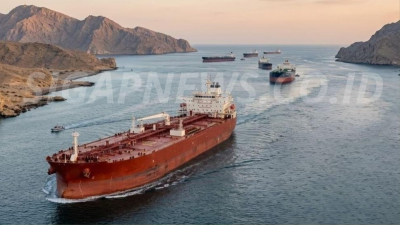
The Strait of Hormuz remains a critical route for global energy trade. Disruptions to shipping have kept supply-risk premiums in oil markets elevated, even as some Gulf exports recover.
Reuters reported that analysts raised their forecast for the average 2026 Brent price to $89.05 a barrel, up from $85.08 in the previous monthly survey. The revision reflects expectations that disruptions to Gulf exports could last longer than previously anticipated.
Goldman Sachs estimates that Gulf oil exports have recovered to approximately 23.3 million barrels per day, although the recovery remains affected by regional conflict and shipping disruptions.
Diplomacy Could Determine the Next Price Move
Diplomatic developments between Washington and Tehran have become a major focus for energy traders.
Iran said on September 30 that it had received a U.S. response to a proposed seven-day confidence-building plan aimed at easing tensions and reopening the Strait of Hormuz. Qatar has been mediating between the two sides, but disagreements remain over the sequence of steps needed to implement the plan.
Until there is greater certainty over the waterway's reopening, energy markets are likely to continue pricing in geopolitical risk.
Meanwhile, Saudi Arabia has resumed oil loadings at its Red Sea port of Yanbu after the East-West Pipeline restarted. The recovery has helped increase regional supply and contributed to downward pressure on oil prices late in September.
Why the World Is Watching
Higher oil prices affect far more than energy companies. Expensive fuel can increase transportation, aviation, manufacturing and logistics costs, potentially adding to inflationary pressure across economies.
Reuters reported that elevated oil prices were also weighing on emerging-market currencies. India's rupee, for example, weakened in September amid concerns over crude prices and their impact on inflation.
The Strait of Hormuz is therefore no longer simply a Middle Eastern geopolitical issue. Changes in shipping flows and oil exports through the region can quickly translate into higher or lower energy prices around the world.
For consumers and businesses, the next major question is whether Gulf energy routes can return to normal and whether U.S.-Iran diplomacy can produce a durable agreement.
Editor :Farros
Source : Reuters, Associated Press, Al Jazeera, U.S. Energy Information Administration, Goldman Sachs.