WHO Investigates Russian Laboratory Worker’s Death

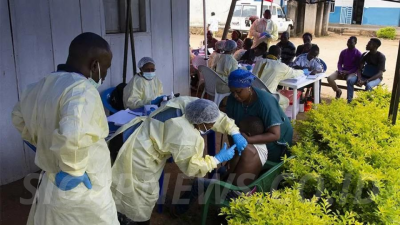
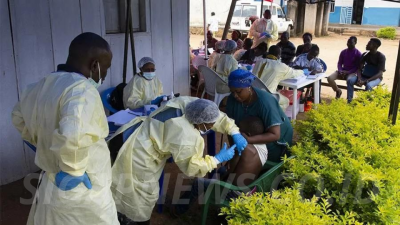
Laboratory testing plays a crucial role in identifying the causes of disease and assessing public health risks. Illustrative photo; not a documentation of a case in Russia.
IRKUTSK, RUSSIA – The World Health Organization (WHO) is seeking further information from Russian authorities to establish the cause of death of a laboratory worker in Irkutsk, Siberia, who died after developing severe pneumonia. The case raised concern because the worker was employed at a research institute specializing in plague and other infectious diseases.
In a report published on October 10, 2026, WHO said the exact cause of death remains unknown. Initial speculation about pneumonic plague, a form of the disease that affects the lungs, has not been confirmed. Russian authorities said the worker died from pneumonia of undetermined cause.
WHO became aware of the incident on October 2, the day the worker died after being hospitalized on September 29. The agency subsequently contacted Russian authorities several times to obtain clarification and assess potential public health implications, including the possibility of transmission beyond the immediate area.
According to information provided by Russia, more than 5,500 laboratory tests have been conducted. Testing of the deceased worker and people who had contact with her reportedly found no evidence of the dangerous pathogens examined. All identified contacts under medical observation also remained symptom-free.
Russian authorities said no recent cases of plague had been registered in the Irkutsk region. They also reported that internal investigations had found no laboratory biosafety or biosecurity incidents. However, WHO stressed that the cause of the fatal illness has not been definitively identified.
Pneumonic plague is a form of plague that affects the lungs and can, under certain circumstances, spread between people through respiratory particles. The disease is caused by the bacterium Yersinia pestis. Although it can be fatal without prompt treatment, it can be treated with antibiotics when diagnosed and managed early.
WHO said it had found no evidence of ongoing transmission associated with the incident. Nevertheless, uncertainty remains because the worker’s final diagnosis has not been independently confirmed and the source of exposure has not been fully established.
The death has attracted attention because the worker was employed at a facility that handles high-consequence pathogens. WHO said it would continue monitoring the situation and reassess any potential public health implications as additional information becomes available.
The agency emphasized that further clinical, epidemiological and laboratory information is needed to improve confidence in its risk assessment.
As of the latest report, there is no evidence that the incident has developed into an outbreak. Investigations remain focused on determining the cause of death and ensuring that no unidentified public health risks remain.
Editor :Farros
Source : World Health Organization (WHO), Reuters, Associated Press (AP).