Chemicals in Plastics and Cosmetics Linked to Disease Risks, WHO Raises Health Concerns
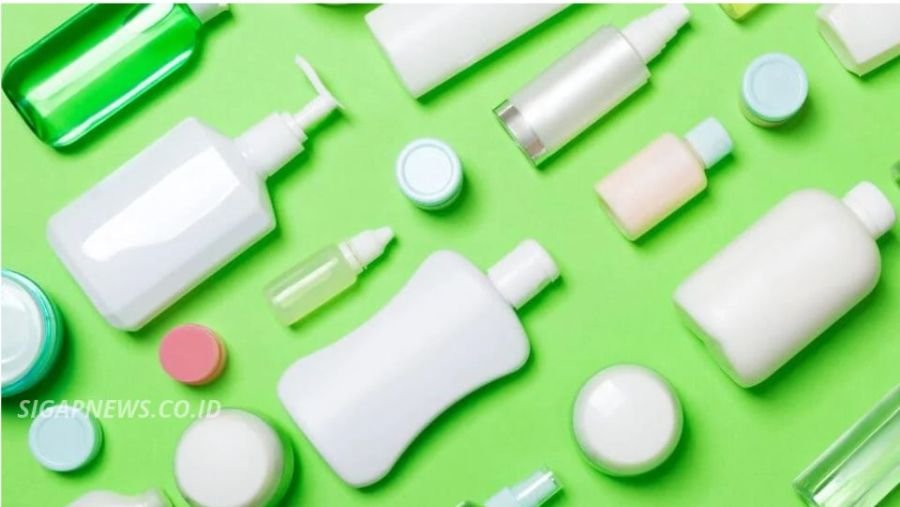
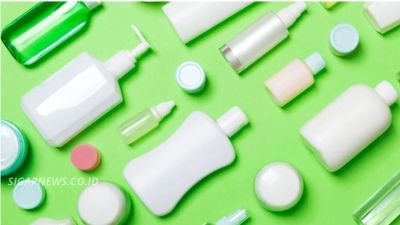
A number of plastic products, food packaging, and cosmetics have come under scrutiny in research on endocrine-disrupting chemicals.
GENEVA – The World Health Organization (WHO) and the United Nations Environment Programme (UNEP) have warned of growing scientific evidence linking exposure to hormone-disrupting chemicals, known as endocrine-disrupting chemicals (EDCs), with potential health risks. These substances are found in various everyday products, including plastics, food packaging, cosmetics, toys and pesticides.
The warning was issued in a joint report titled State of the Science on Endocrine-Disrupting Chemicals 2026, released on November 17, 2026, in Geneva, Switzerland. The publication represents the first major global scientific update since the previous joint WHO-UNEP assessment in 2012.
According to the report, scientific evidence linking EDC exposure to a wider range of health problems has strengthened. Areas of concern include fertility, brain development, neurological function, metabolism, immune system function and cardiovascular health.
EDCs are chemicals that can interfere with the endocrine system, which regulates essential bodily functions such as growth, development, reproduction and metabolism.
Exposure can occur through food, drinking water, air, dust and direct contact with certain consumer products.
One of the report's significant findings is that exposure to hormone-disrupting chemicals can begin even before a baby is born.
EDCs have been detected in blood, breast milk and umbilical cord blood samples, indicating that exposure can occur during pregnancy and potentially affect child development.
WHO and UNEP stated that exposure during pregnancy and early childhood is associated with risks involving brain development, growth and reproductive health.
Research has also linked EDC exposure to thyroid dysfunction, obesity, type 2 diabetes, cardiovascular diseases and metabolic liver disease.
However, the report also identifies scientific gaps, particularly regarding the effects of certain chemicals on kidney health and other specific medical conditions.
Sheila Aggarwal-Khan, Director of UNEP's Industry and Economy Division, explained that these chemicals can interfere with hormones responsible for regulating essential functions in both humans and wildlife.
She added that the effects can be long-lasting and, in some cases, potentially irreversible.
The extensive use of chemicals in modern life has become another major concern for researchers.
The WHO-UNEP report states that more than 350,000 chemicals and chemical mixtures are registered for production and use worldwide. However, only a small fraction has been evaluated for its potential to disrupt hormonal systems.
Several chemical groups attracting attention include bisphenols, phthalates and per- and polyfluoroalkyl substances (PFAS).
Bisphenols and phthalates are used in certain plastic products and toys, while PFAS are found in some food packaging, textiles and household furnishings. Parabens are also used as preservatives in various personal-care and cosmetic products.
The Associated Press reported that exposure to endocrine-disrupting chemicals has been linked to several health problems, including reproductive disorders, obesity, type 2 diabetes, cardiovascular diseases and certain cancers.
The report also estimates that the annual global health-related costs associated with EDC exposure exceed US$1.1 trillion. This estimate includes healthcare expenses and lost productivity but does not account for all environmental and social costs.
In response to these concerns, WHO and UNEP are urging governments to strengthen chemical regulations, improve product safety testing and expand public exposure monitoring.
The two organizations are also calling on manufacturers to provide greater transparency about chemical ingredients in consumer products and develop safer alternatives.
Consumers can reduce potential exposure by choosing food containers made from glass or stainless steel, checking product ingredient information and avoiding products that lack clear safety and composition details.
However, the presence of a particular chemical group in a product does not automatically mean that the product is harmful. Health risks depend on the specific substance, exposure level, route of exposure and duration.
The latest report highlights the need for greater attention to chemical safety in everyday consumer products.
WHO and UNEP emphasize that preventing exposure at an early stage, particularly during pregnancy and childhood, is essential to protecting human health and the environment.
Editor :Farros
Source : World Health Organization (WHO), United Nations Environment Programme (UNEP), Associated Press, Anad