Is the World Facing a Massive Blackout Threat? Global Power Outage Claims Debunked
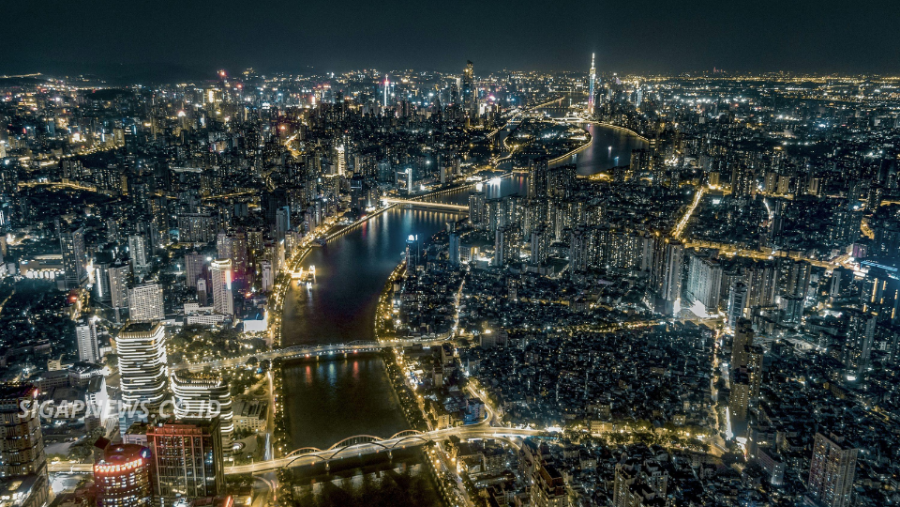
The public’s reliance on the electricity supply means that disruptions to the power grid have the potential to have a widespread impact on economic activity and daily life.
JAKARTA – Claims of an impending global blackout affecting multiple countries simultaneously have sparked widespread discussion on social media in November 2026. However, as of Thursday (November 19, 2026), there is no credible evidence indicating that the world is facing a coordinated global electricity shutdown.
Concerns have intensified following viral posts warning that electricity supplies could be disrupted for hours or even days. Some online content has linked technology disruptions, aviation services, banking systems and communication outages to an alleged threat of worldwide power grid collapse.
The Associated Press (AP) reported that global blackout narratives have spread widely, particularly through Spanish-language content. An analysis by the Digital Democracy Institute of the Americas identified more than 2,200 related posts and articles published between November 11 and 17, 2026, generating over 95 million views.
The claims have combined several real but unrelated incidents to create the impression of an impending global crisis. Technology service disruptions and emergency alert system tests in the United States, for example, have been presented online as supposed evidence of an approaching massive power outage.
In reality, the nationwide Emergency Alert System test conducted by the Federal Emergency Management Agency (FEMA) on November 17, 2026, was a routine exercise, not a warning of an impending nationwide blackout.
Similar concerns emerged in the United Kingdom after a fabricated digital poster circulated online, claiming that large parts of the country would experience a power outage on Thursday, November 19, 2026, beginning at 4 p.m. local time.
The poster falsely used the National Grid's name and claimed that a critical fault in the electricity network could disrupt power supplies to households, businesses and public services.
However, National Grid firmly rejected the claims, describing the circulating warning as false and confirming that no such outage was expected.
Reuters Fact Check and Full Fact also confirmed that the social media announcement was not an official National Grid statement.
Consequently, claims of a nationwide UK power outage on November 19, 2026, have no credible basis.
Although viral claims of an imminent global blackout remain unsubstantiated, the risk of electricity disruptions in different countries is a genuine concern.
On November 10, 2026, the International Energy Agency (IEA) launched its Global Observatory on Energy Sector Resilience to monitor risks and strengthen the resilience of energy infrastructure worldwide.
In its initial findings, the IEA recorded approximately 3,000 reported power outage incidents linked to extreme weather and natural hazards across more than 150 countries since 2022. These incidents have left an average of around 190 million electricity customers without power each year.
The agency also found that approximately 30 percent of global electricity assets are exposed to tropical cyclones, around 20 percent face exposure to prolonged extreme heat, and more than 10 percent are located in flood-prone areas.
Beyond natural hazards, energy infrastructure also faces threats from cyberattacks, sabotage and disruptions to electricity grid control systems.
These findings highlight the growing importance of energy security as societies become increasingly dependent on electricity and digital technology.
The spread of global blackout narratives demonstrates how real incidents can be mixed with speculation to generate public fear.
People are encouraged to verify information before sharing reports about electricity outages, particularly claims attributed to governments, energy companies or international institutions.
Basic preparations for local power disruptions remain sensible. These include keeping emergency lighting, spare batteries and ensuring communication devices have sufficient power.
However, such precautionary measures do not mean that a global blackout is imminent.
As of November 19, 2026, there is no credible evidence of a planned or impending simultaneous worldwide power outage. The more tangible threat lies in the vulnerability of energy infrastructure to extreme weather, natural disasters and cyberattacks.
Editor :Farros
Source : Associated Press, Reuters, Full Fact, International Energy Agency, Digital Democracy Institute of th