Biodiversity Crisis Drives International Cooperation on Environmental Protection
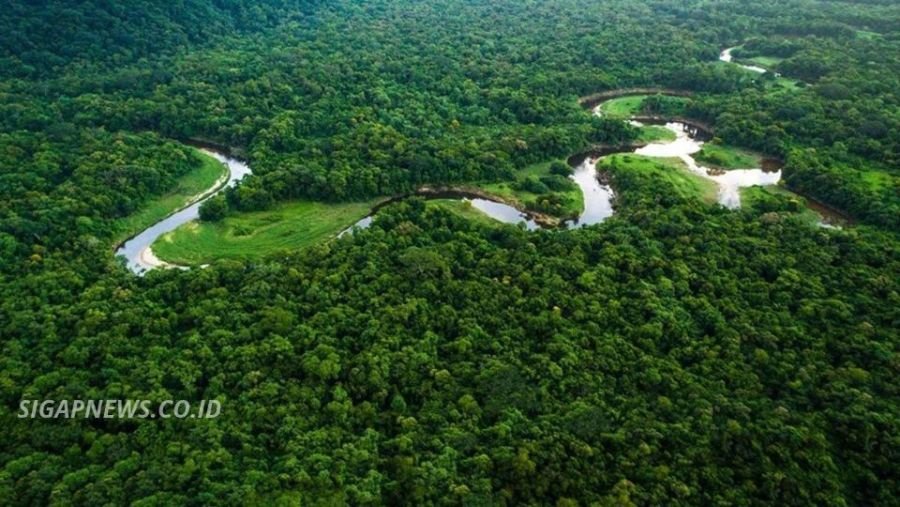
The protection of tropical forests is a vital part of international efforts to preserve biodiversity and natural habitats.
YEREVAN – The growing biodiversity crisis threatening ecosystems worldwide is pushing countries to strengthen international cooperation in protecting forests, oceans, wildlife and natural habitats. However, limited funding and slow implementation of existing commitments remain major obstacles to achieving global conservation targets by 2030.
The issue was a central focus of the 17th United Nations Biodiversity Conference (CBD COP17), held in Yerevan, Armenia, from October 19 to 31, 2026.
The conference, which brought together governments, international organizations, scientists, Indigenous Peoples and environmental groups, resulted in an agreement known as the Yerevan Pathway. The agreement provides a roadmap for accelerating implementation of the Kunming-Montreal Global Biodiversity Framework.
According to a Reuters report published on October 31, 2026, participating countries agreed to accelerate biodiversity protection efforts after the first global review revealed that the world remains behind on almost all previously established targets.
The Kunming-Montreal framework established several important goals for 2030, including protecting at least 30 percent of the world's land and waters, restoring 30 percent of degraded ecosystems and increasing global funding for nature conservation.
The scale of the biodiversity crisis is also reflected in data published by the United Nations Environment Programme (UNEP).
UNEP estimates that approximately one million of the world's eight million plant and animal species are threatened with extinction. Meanwhile, ecosystem degradation is affecting the well-being of around 40 percent of the global population.
Habitat destruction, climate change, pollution, overexploitation of natural resources and invasive species are among the major factors accelerating biodiversity loss.
The consequences extend beyond wildlife and plant species. The destruction of forests, wetlands and marine ecosystems can threaten food supplies, water resources, local livelihoods and communities' resilience to natural disasters.
These challenges have made biodiversity protection increasingly important to the global sustainable development agenda.
Despite the adoption of a new international roadmap, funding remains one of the biggest obstacles to achieving conservation targets.
During COP17, governments and international partners announced more than US$1.8 billion in new biodiversity-related funding commitments to support nature conservation.
However, the amount is still considered insufficient to meet global biodiversity financing needs.
Reuters reported that participating countries also agreed to accelerate efforts to reduce environmentally harmful subsidies, with a target of cutting harmful incentives by at least US$500 billion annually by 2030.
Countries also agreed to review financial mechanisms and expand participation in conservation financing, including contributions from governments, financial institutions, private companies and international organizations.
Developing countries are among those requiring greater support, as many regions with exceptionally rich biodiversity face financial limitations in protecting their ecosystems.
International conservation cooperation is also placing greater emphasis on the role of Indigenous Peoples and local communities.
At COP17, countries agreed on new guidelines known as the Sevan Guidelines to strengthen the participation of Indigenous Peoples and local communities in biodiversity-related decision-making.
This development is important because Indigenous Peoples and local communities possess traditional knowledge and practical experience in managing forests, waterways and natural resources sustainably.
Brazil, for example, helped advance discussions on the sustainable use of biodiversity and the fair sharing of benefits derived from genetic resources.
This approach highlights that conservation should not focus solely on protecting species, but also consider community rights and the equitable distribution of economic benefits generated by natural resources.
The outcomes of COP17 demonstrate that international cooperation remains essential in addressing the biodiversity crisis. However, the success of these agreements will depend on how effectively they are implemented at national and local levels.
Countries now face the challenge of translating international commitments into practical policies, including expanding protected areas, restoring damaged habitats, controlling pollution and strengthening oversight of natural resource exploitation.
With only four years remaining before the 2030 targets, accelerating action has become increasingly urgent.
The biodiversity crisis is no longer merely an environmental issue. It is also closely connected to food security, human health, economic stability and the sustainability of future generations.
Editor :Farros
Source : Reuters, United Nations Environment Programme (UNEP), Convention on Biological Diversity (CBD), Inte