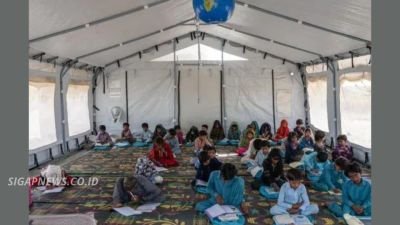
WHO: “Pneumonia remains the world’s leading infectious killer” renewed calls for urgent global actio
World Pneumonia Day 2025 Highlights Ongoing Global Health Crisis
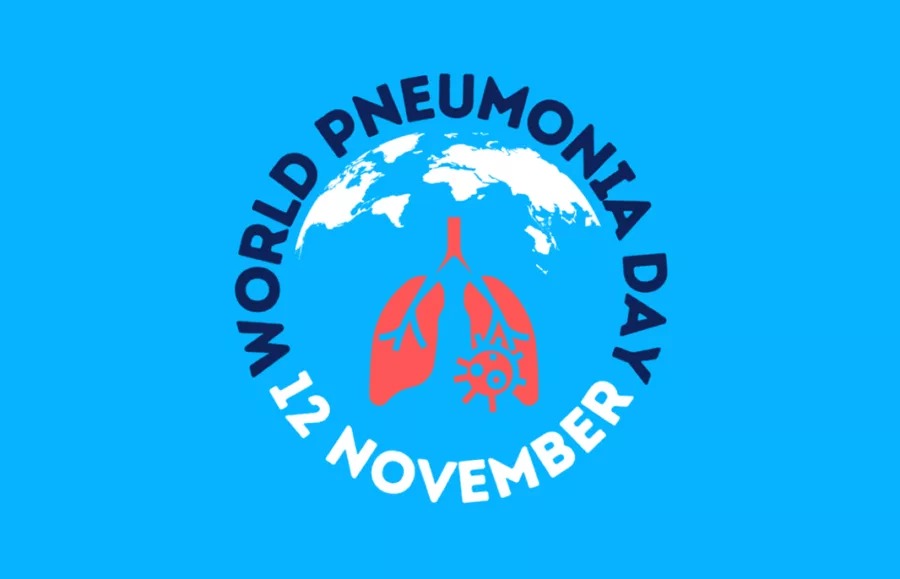
GENEVA — Ahead of World Pneumonia Day on November 12, 2025, the World Health Organization (WHO) has issued a stark reminder that pneumonia remains “one of the world’s deadliest infectious diseases”, particularly for children under five and older adults in low- and middle-income countries.
According to WHO’s official statement, “Pneumonia continues to claim more children’s lives under five than any other infectious disease,” and remains a major threat to the elderly and those with chronic illnesses.
“Protecting children and communities from pneumonia means strengthening health systems so that preventive measures reach everyone, and every person with symptoms can get rapid diagnosis and the right treatment,” the WHO statement said.
WHO outlined several key actions for 2025: ensuring universal access to essential vaccines (Hib, pneumococcal, measles, and pertussis), promoting exclusive breastfeeding for six months, improving nutrition, and expanding access to medical oxygen and early diagnosis in low-resource settings.
Pneumonia disproportionately affects the world’s most vulnerable. UNICEF data show that more than 700,000 children under the age of five die from pneumonia every year more than malaria or measles combined.
Contributing factors include indoor air pollution, malnutrition, and limited access to immunization and basic healthcare.
Health experts warn that without significant improvement in prevention and treatment efforts, progress in reducing child mortality may stall or reverse. A recent analysis found that pneumonia deaths among the elderly and children under five now account for up to 70% of all global pneumonia fatalities.
Globally, pneumonia is not just a developing-country problem but a matter of health equity and social protection. With rising disease burden in Sub-Saharan Africa and South Asia, WHO urges countries to strengthen primary healthcare systems, vaccination coverage, and medical oxygen supply chains to save millions of preventable deaths.
Editor :Farros
Source : WHO, UNICEF