UN Warns Hunger Crisis Could Worsen Across 16 Global Hotspots
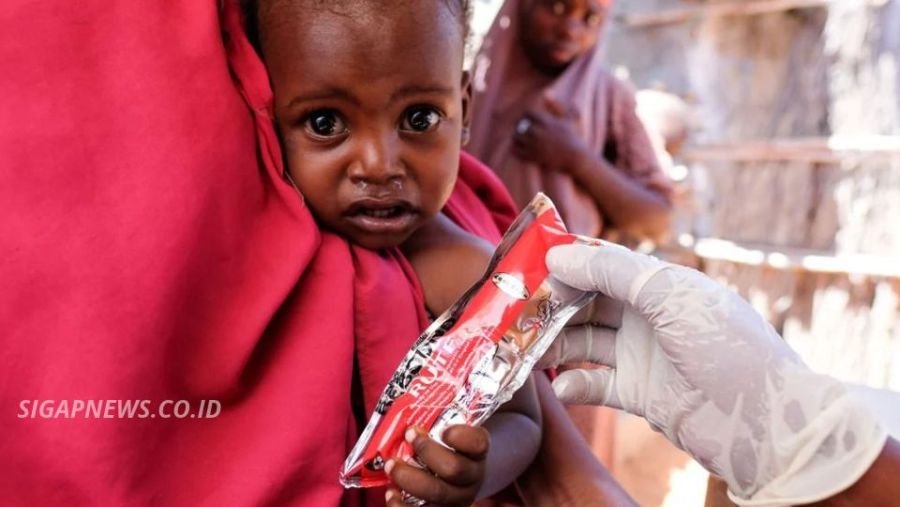
Food crises and droughts are threatening the lives of the vulnerable in many parts of the world.
ROME – The United Nations Food and Agriculture Organization (FAO) and the World Food Programme (WFP) have warned that acute hunger could worsen across 16 global hotspots between December 2026 and May 2027. Sudan, South Sudan, Somalia, northern Nigeria and Yemen are among the areas facing the highest levels of concern.
The warning was outlined in the latest Hunger Hotspots report released by the two UN agencies on Friday, November 27, 2026. The number of identified hotspots has increased from 13 in the previous assessment published in June to 16 in the latest report.
FAO and WFP said armed conflict and violence remain major drivers of acute food insecurity in 12 of the 16 hotspots. These conditions are forcing people from their homes, disrupting agricultural production and livelihoods, and restricting the delivery of humanitarian assistance.
In Sudan, the risk of famine remains plausible in 13 areas of North Darfur and South Kordofan through January 2027 under a reasonable worst-case scenario. Ongoing conflict continues to disrupt food production, markets and the delivery of aid to affected communities.
South Sudan is also facing serious threats from escalating violence, displacement, restricted humanitarian access, economic pressures and climate-related shocks. In Somalia, the effects of previous droughts, high food prices, local conflict and flood risks are further worsening conditions for vulnerable communities.
Northern Nigeria and Yemen are also among the five hotspots classified as being of highest concern. Armed violence, displacement, disrupted livelihoods and rising prices of essential goods are making it increasingly difficult for people to access food.
Beyond conflict, the strengthening El Niño weather pattern poses an additional threat to agricultural production. FAO and WFP warned that hotter and drier conditions could disrupt planting seasons in Southern Africa, while rainfall deficits in the Central American Dry Corridor could deepen crop losses.
The latest report adds four areas to the list: Chad, northeastern Uganda, Southern Africa and the Central American Dry Corridor. The Southern African region includes Eswatini, Malawi, Mozambique, Zambia and Zimbabwe. Lebanon has been removed from the latest list.
Four other areas are classified as hotspots of very high concern: Afghanistan, the Democratic Republic of the Congo, Haiti and Palestine. Although food security in the Gaza Strip has improved following the October 2025 ceasefire, FAO and WFP warned that the gains remain fragile and humanitarian needs are still severe.
Declining humanitarian funding is further weakening the international response. Assistance for the five hotspots facing the highest levels of concern fell by approximately 62 percent, from US$5.1 billion in 2022 to US$2 billion in 2025.
The UN agencies also warned that El Niño could push an additional 49 million people into acute food insecurity by the end of 2027. This figure represents a projected risk, not a confirmed count of people already experiencing hunger.
FAO and WFP called for urgent humanitarian action, including emergency agricultural assistance, climate-resilient seeds, livestock protection, improved access to water and safe humanitarian routes to reach affected communities.
The agencies stressed that worsening food insecurity is not inevitable. However, early intervention, adequate funding and safe humanitarian access are essential to protecting the lives and livelihoods of millions of people in vulnerable regions.
Editor :Farros
Source : FAO, World Food Programme (WFP), Reuters, France 24, UN News.