Tanker Carrying 7,000 Tonnes of Diesel Capsizes off Ibiza, One Crew Member Dies
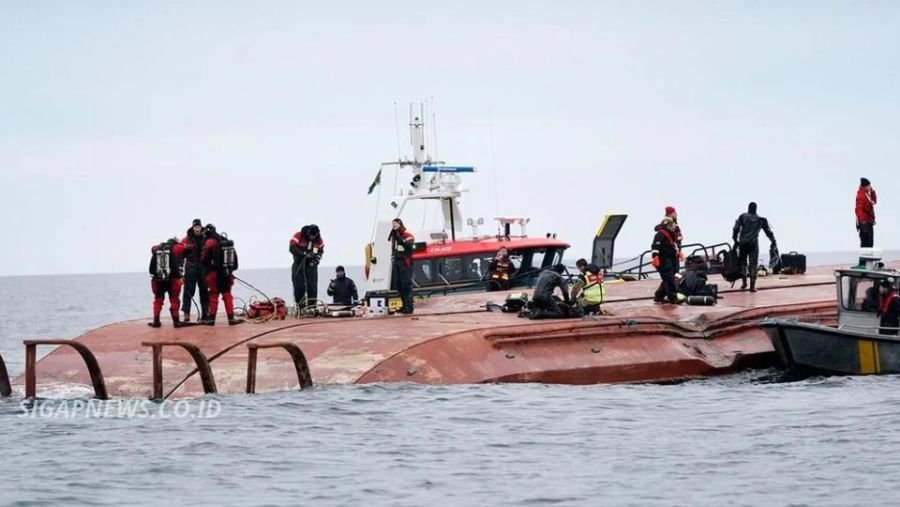
The Maltese-flagged tanker Med Emre capsized in waters near Ibiza, Spain, with a cargo of approximately 7,000 metric tons of diesel fuel.
IBIZA, SPAIN – The Malta-flagged tanker Med Emre capsized about 46 kilometres off the Spanish island of Ibiza early on Thursday, November 26, 2026. The incident left one crew member dead and raised concerns over possible pollution in the Mediterranean Sea, as the vessel was carrying approximately 7,000 tonnes of diesel fuel.
The 120-metre vessel was travelling from Algeciras to Barcelona when it began taking on water and listing before overturning. All 17 crew members were rescued. However, the ship's chief engineer died after being taken to hospital, while six other crew members sustained minor injuries and health problems, including hypothermia.
Spanish maritime authorities activated their marine pollution response plan following the incident. Rescue vessels and specialised pollution-response units were deployed to inspect the tanker and monitor possible fuel leaks.
According to Reuters on November 26, no major spill with a significant impact on Balearic waters or coastlines had been reported. However, small fuel sheens were observed near the vessel, prompting continued monitoring by authorities.
On Friday, November 27, Spain's maritime authorities decided to tow the Med Emre to the port of Cartagena in the Murcia region for safety operations and cargo removal. The Spanish government said the port offered the depth, facilities and sheltered conditions needed to handle the overturned vessel.
The tanker is expected to reach Cartagena on Monday, November 30, depending on weather and towing conditions. Removing the cargo and fuel, inspecting the vessel's structure, and eventually righting and refloating it are expected to take several weeks.
The decision has drawn objections from regional authorities in Murcia and the Balearic Islands. The Balearic government opposed using its ports to empty the tanker's cargo, while Murcia officials expressed concern that bringing a vessel carrying such a large quantity of fuel could pose risks to the region's coastline and marine ecosystems.
Spanish news agency EFE reported that the tanker remained overturned but partially afloat. Initial inspections also detected a relatively small pollution slick near the accident site. Authorities said monitoring would continue because towing the vessel and transferring its cargo involve additional risks.
The cause of the accident remains under investigation. Valencia's maritime captain cited waves reaching around four metres as one possible contributing factor. Investigators are also examining whether open inspection covers on the vessel's ballast tanks may have allowed water to enter. This possibility has not yet been established as the official cause.
The incident has drawn attention because the waters surrounding Ibiza contain ecologically valuable marine habitats. The area is known for its extensive meadows of Posidonia oceanica, a seagrass native to the Mediterranean that provides habitat for marine life, stores carbon and helps protect coastlines.
Spanish authorities now face two priorities: ensuring the tanker is handled safely and preventing its diesel cargo from contaminating the sea. Although no major spill has been reported, the environmental risk will remain until the vessel and its fuel are brought under control.
Editor :Farros
Source : Reuters, Agence France-Presse (AFP), EFE, El País, Majorca Daily Bulletin