Indonesia Changes Oil and LPG Import System, Pertamina Enters New Procurement Framework
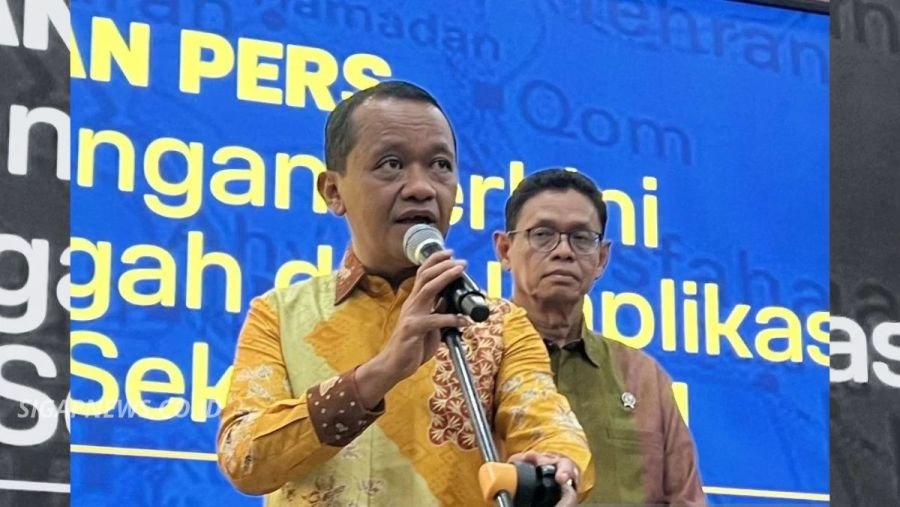
Minister of Energy and Mineral Resources Bahlil Lahadalia explained changes to the procurement mechanism for imports of crude oil, petroleum products, and LPG under Presidential Regulation No. 107 of 2026 in Jakarta.
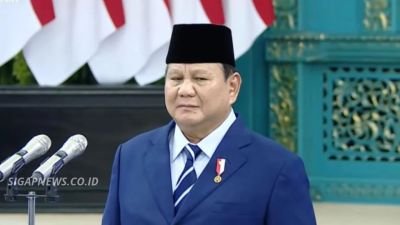
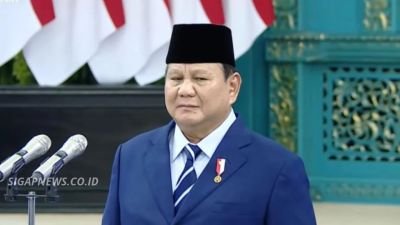
JAKARTA – The Indonesian government has introduced a new mechanism for procuring imported crude oil, fuel, and liquefied petroleum gas (LPG) through Presidential Regulation No. 107 of 2026. Signed by President Prabowo Subianto in October 2026, the regulation shifts the procurement system from business-to-business (B2B) transactions toward government-to-government (G2G) and government-to-business (G2B) cooperation.
Energy and Mineral Resources Minister Bahlil Lahadalia said the policy aims to strengthen national energy supply security and accelerate procurement from international suppliers.
Speaking at a press conference in Jakarta on October 26, 2026, Bahlil explained that the previous tender-based system often required considerable time and did not always guarantee supply availability.
"Previously, Pertamina carried out B2B processes, and the tenders took a long time. With this presidential regulation, we are implementing G2G and G2B arrangements," Bahlil said, as quoted by the Ministry of Energy and Mineral Resources.
Under the new framework, the government will negotiate directly with supplying countries. Procurement will be handled through a government-appointed Public Service Agency (BLU), identified as Lemigas, before Pertamina purchases the energy commodities for domestic distribution.
Bahlil said the change also responds to previous procurement experiences in which Pertamina lost supply opportunities despite winning tenders with lower prices. Suppliers could choose other buyers offering higher prices.
The policy comes as Indonesia continues to rely on imported energy to meet domestic demand.
According to the Ministry of Energy and Mineral Resources, approximately 80 percent of Indonesia's LPG requirements are still met through imports, primarily from the United States. The country also continues to import crude oil and several gasoline grades, including RON 90, RON 92, RON 95, and RON 98.
The government expects the new procurement framework to expand supplier options, strengthen long-term supply contracts, and reduce the risk of disruptions caused by international market competition.
However, implementation has not yet been completed. On October 29, 2026, Bahlil confirmed that the government was still in a transition period while preparing the new centralized procurement mechanism.
On November 2, 2026, Director General of Oil and Gas Laode Sulaeman said the ministry was preparing implementing regulations in the form of a Ministerial Regulation to establish detailed procedures for Presidential Regulation No. 107 of 2026.
During the transition, Pertamina Patra Niaga continues to handle fuel imports while the government completes coordination and regulatory preparations.
The new procurement framework gives the government a more direct role in negotiating energy supplies and determining cooperation with producing countries.
However, its effectiveness will depend on the readiness of implementing regulations, coordination between government institutions, the procurement capacity of Lemigas, and the reliability of supply agreements with international partners.
Consumers and industrial players will also be watching whether the policy can maintain fuel and LPG availability without creating additional costs throughout the national energy supply chain.
Presidential Regulation No. 107 of 2026 therefore represents more than a procedural change. It is part of Indonesia's broader effort to strengthen national energy security amid uncertainty in global energy markets.
Editor :Farros
Source : Ministry of Energy and Mineral Resources (ESDM), ANTARA News, Katadata, DDTC News, detikFinance