Wellness Becomes a Global Lifestyle as Market Reaches US$2.7 Trillion
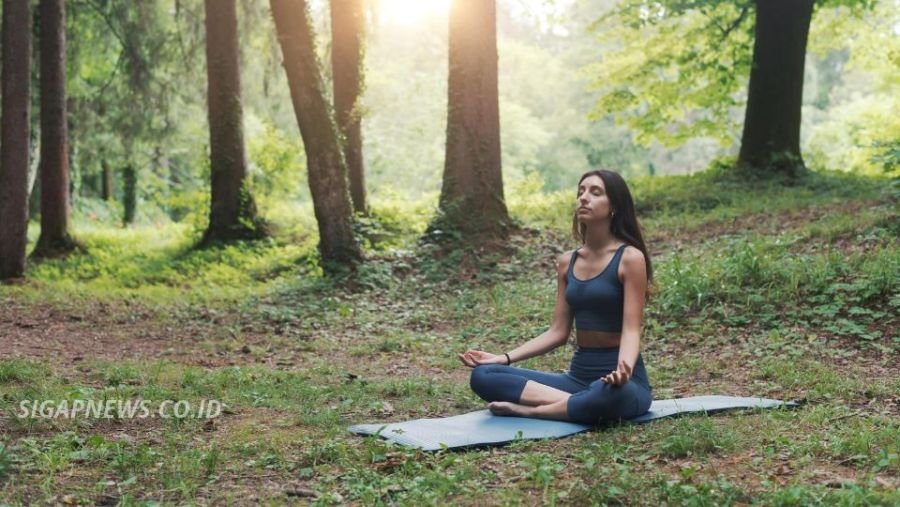
Trips that offer tranquility, outdoor activities, and self-renewal are set to be one of the key trends in wellness tourism in 2026.
JAKARTA – Wellness is increasingly shaping how people around the world manage their daily lives, from food choices and exercise to beauty routines and travel. The global wellness market has reached an estimated US$2.7 trillion, according to a new report published by McKinsey & Company on November 3, 2026.
In its Future of Wellness 2027 report, McKinsey describes how consumers are expanding their understanding of personal well-being. Wellness is no longer limited to gym memberships or health products. It now includes sleep quality, physical recovery, mental well-being, nutrition, beauty and travel experiences.
The research surveyed more than 10,000 consumers across China, Germany, the United Kingdom and the United States. Two-thirds of surveyed US consumers said they prioritised wellness more than they did a year earlier.
McKinsey also found that more than a third of consumers consider wellness an important part of their identity. Generation Z and millennials continue to account for a substantial share of wellness spending, while interest among older consumers is also increasing.
One prominent trend is growing interest in physical recovery activities, including communal saunas, cold plunges and relaxation programmes. These experiences are increasingly becoming part of social and recreational routines.
The Global Wellness Institute has also identified several wellness travel trends for 2026, including cool-climate destinations, heat-based experiences, deep-rest holidays and the use of artificial intelligence to design wellness trips.
AI is also entering everyday wellness habits. Consumers use it to find health product recommendations, meditation guidance and recipe ideas. However, adoption does not necessarily mean complete trust. McKinsey reported that around 40 percent of US consumers worry about the accuracy of AI-generated wellness advice.
This makes reliable information and professional healthcare guidance important, particularly when consumers consider changes to their diet, health products or fitness routines.
The expansion of the wellness industry has also raised questions about accessibility. Premium products, spa facilities and wellness holidays can be expensive, meaning not everyone has equal access to these services.
Yet the basic principles of wellness can be practised through everyday habits, such as maintaining a consistent sleep schedule, exercising regularly, eating nutritious food, managing stress and maintaining social connections.
The trend reflects a broader shift in how people approach health. Wellness is becoming part of everyday decision-making rather than an occasional activity pursued only when health problems arise.
For the travel, food, beauty and fitness industries, this shift creates new business opportunities. Consumers, however, still need to distinguish evidence-based services from marketing claims that promise exaggerated health benefits.
Editor :Farros
Source : McKinsey & Company, Global Wellness Institute, National Geographic, Global Wellness Summit, Hotel On