Singapore Tightens Haze Law as Indonesian Companies Face Scrutiny
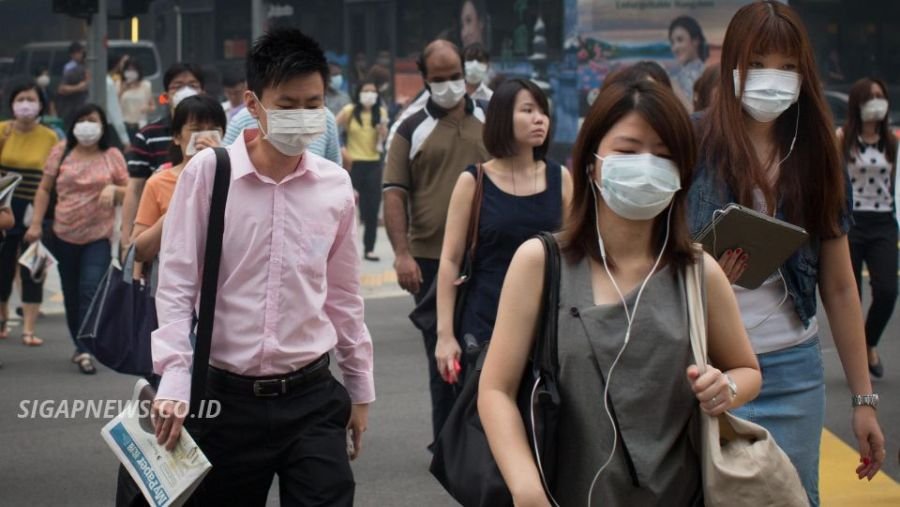
Cross-border haze from forest and land fires in Southeast Asia is once again a concern for Indonesia and Singapore. Photo: Reuters.
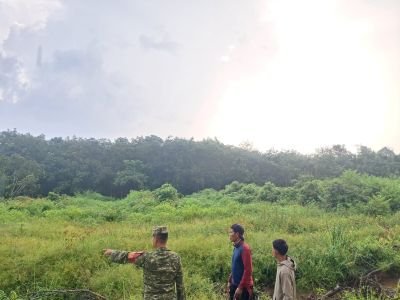
JAKARTA – Singapore has strengthened its legal powers to investigate businesses suspected of contributing to cross-border air pollution from forest and land fires in Indonesia, as the two neighbouring countries move to establish a joint task force to address the recurring haze crisis.
Singapore's Parliament passed amendments to the Transboundary Haze Pollution Act (THPA) on Wednesday, November 4, 2026. The changes expand the government's investigative powers over business activities suspected of causing or contributing to transboundary haze.
Reuters reported that the amendments are intended to improve Singapore's ability to identify parties responsible for activities that result in cross-border air pollution. The legislation also strengthens the country's ability to investigate businesses operating beyond its borders.
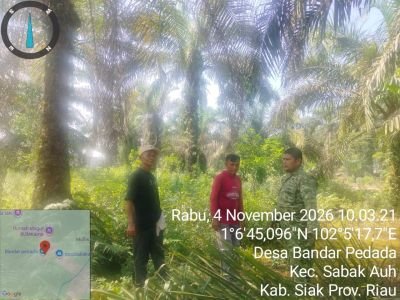
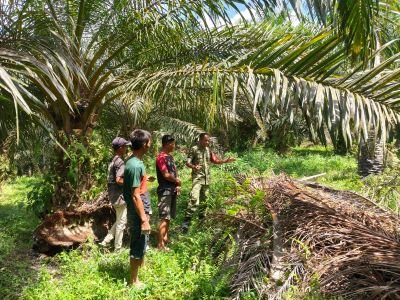
Earlier, Singapore's National Environment Agency (NEA) issued preventive measure notices to 10 companies linked to land in Indonesia. Seven companies received notices on October 16 over fires in Sumatra, followed by three companies in Kalimantan on October 19.
The notices require the companies to deploy firefighting personnel, stop burning activities and submit plans to prevent and control fires. The notices are preventive and investigative measures, not court findings that the companies are guilty.
The haze crisis has prompted both countries to strengthen bilateral cooperation. On October 27, Indonesian Foreign Minister Arrmanatha Nasir and Singaporean Foreign Minister Vivian Balakrishnan announced an agreement to establish a joint task force.
The task force is expected to facilitate information sharing, cross-border evidence gathering and coordination of investigations into businesses suspected of being linked to forest and land fires.
Nasir said Singapore had offered to share information on companies connected to the fires. He stressed the importance of tracing those who benefit from land-burning practices.
Balakrishnan described the haze as a shared problem requiring collective action. He also said Singapore would pursue companies registered in the city-state if they were found responsible for fires contributing to transboundary pollution.
The impact of the fires has extended beyond neighbouring countries. Indonesia's Health Ministry recorded 401,586 acute respiratory infection cases across seven provinces and 63 regencies and cities affected by forest and land fires. The cumulative figure was recorded through November 2, 2026.
Health Ministry spokesperson Widyawati said the total included 3,906 additional cases recorded on November 2. Vulnerable groups, including young children, older people, pregnant women, asthma patients and outdoor workers, remain under health monitoring.
The Indonesian government has also said it deployed more than 71,000 personnel to tackle the fires. Foreign Minister Nasir stressed that communities in Sumatra and Kalimantan are among the first to suffer from the smoke.
Transboundary haze is expected to feature in regional discussions in November 2026. Singapore has said it will push for stronger implementation of the ASEAN Agreement on Transboundary Haze Pollution when it assumes the ASEAN chairmanship in 2027.
Singapore also supports the establishment of the ASEAN Coordinating Centre for Transboundary Haze Pollution Control in Indonesia. The centre is expected to strengthen regional cooperation in hotspot monitoring, information sharing, fire prevention and haze response.
The recurring crisis demonstrates that forest and land fires are no longer solely a domestic concern for Indonesia. When smoke crosses national borders, it can affect public health, diplomatic relations, economic activity and corporate accountability across Southeast Asia.
However, responsibility must still be established through evidence and legal proceedings. Cooperation between Indonesia and Singapore will be crucial to ensuring that the response goes beyond diplomatic disputes and leads to effective fire prevention and accountability for proven violations.
Editor :Farros
Source : Reuters, Associated Press, ABC News Australia, Channel News Asia, The Jakarta Post, The Straits Time