Areca Nut Shows Potential as a Natural Skincare Ingredient, Research Suggests
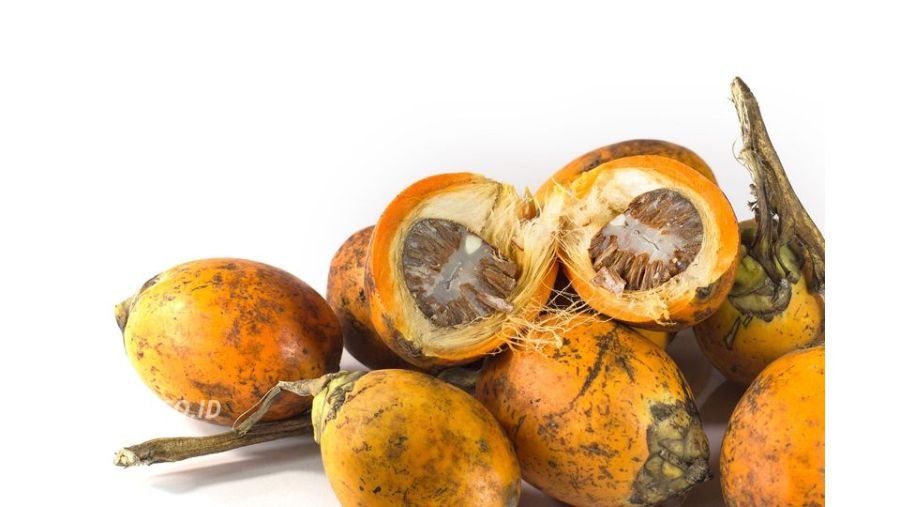
A cross-section of an areca nut reveals its inner structure. Extracts from the fruit contain polyphenols associated with antioxidant activity.
Areca nut (Areca catechu L.), traditionally known as a cultivated plant and a common ingredient in several Asian cultural practices, is also attracting attention in cosmetic research. Its bioactive compounds, particularly polyphenols and antioxidants, have drawn interest for their potential role in skincare, including protecting against free radicals and addressing signs of skin aging.
Several scientific studies have identified bioactive compounds in areca nut extracts that could be explored in the development of natural skincare and cosmetic products.
One area of interest is the potential anti-aging activity of Areca catechu extract, which has been examined in scientific research published in the International Journal of Cosmetic Science.
1. Potential to Support Skin Elasticity
Research by Lee and Choi, published in 1999, investigated the effects of areca nut extract on collagen synthesis and elastin-related skin structures in laboratory testing.
Collagen and elastin are essential proteins that help maintain skin structure, firmness, and elasticity. These findings suggest that areca nut extract could offer potential applications in the development of anti-aging cosmetic formulations.
2. Contains Antioxidant Compounds
Areca nut contains polyphenols, a group of compounds known for their antioxidant properties.
Antioxidants may help neutralize free radicals, unstable molecules that can contribute to cellular damage and premature skin aging.
Research published in the Jurnal Kimia Khatulistiwa by researchers at Tanjungpura University also examined the antioxidant activity of areca nut husk extract using the DPPH testing method and reported promising antioxidant activity.
3. May Help Address Signs of Skin Aging
A study published in the International Journal of Cosmetic Science in 2001 examined the effects of phenolic compounds from areca nut on elastase and hyaluronidase activity.
These enzymes are associated with the breakdown of components that help maintain skin structure and hydration.
The findings indicate that areca nut compounds may have potential applications in anti-aging skincare formulations, although further clinical research is needed to establish their effectiveness in humans.
4. Potential Applications in Sun Protection Products
Research published in the Jurnal Promotif Preventif in 2025 also examined lotion formulations containing areca nut fractions, focusing on their Sun Protection Factor (SPF) values and antioxidant activity.
The findings point to potential applications in cosmetic formulations designed to support skin protection. However, laboratory findings do not establish that areca nut-based products can replace commercially tested sunscreen products.
Safety Concerns Remain Important
Despite its potential cosmetic applications, areca nut requires further research, particularly clinical trials involving human participants, to establish its effectiveness and safety for topical use.
The International Agency for Research on Cancer (IARC) classifies areca nut as carcinogenic to humans (Group 1). Meanwhile, arecoline, one of its main active compounds, has been classified as possibly carcinogenic to humans (Group 2B).
These classifications are primarily associated with areca nut consumption and chewing practices. They do not automatically establish that every cosmetic formulation containing areca nut extract carries the same level of risk.
Consumers should also avoid applying raw areca nut or homemade preparations directly to their faces without reliable safety information and appropriate testing.
With its bioactive compounds, areca nut offers an interesting area of research for the natural cosmetics industry. Nevertheless, further scientific investigation into its effectiveness, formulation, and safety remains essential before it can be widely recommended as a skincare ingredient.
Editor :Farros
Source : International Journal of Cosmetic Science, International Agency for Research on Cancer (IARC), Jurna