Halloween 2026 Fashion Shifts as Gen Z Embraces Rewearable Costumes
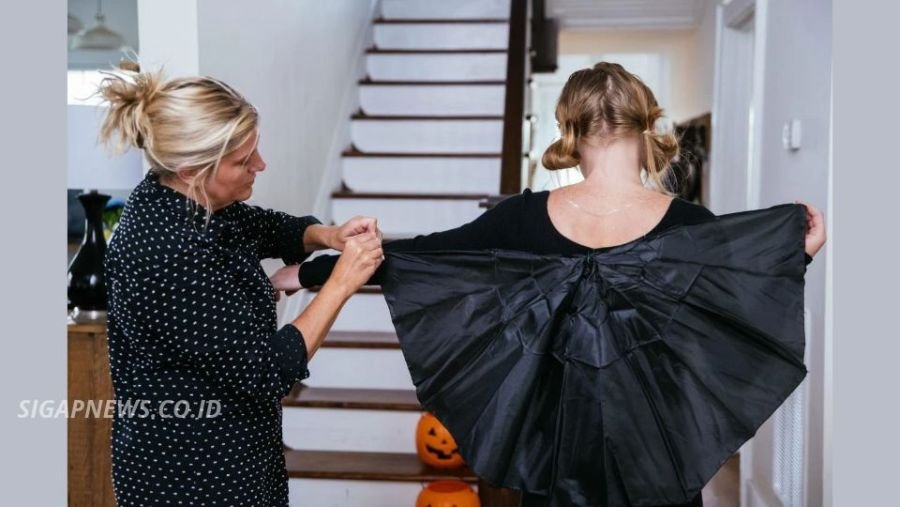
Clothes and accessories you already have at home can be combined to create creative Halloween costumes while reducing the need to buy disposable costumes.
NEW YORK – Halloween fashion in 2026 is showing signs of shifting away from single-use costumes towards clothing that can be worn long after October 31. Generation Z is helping drive interest in distinctive outfits, vintage fashion and accessories that can be incorporated into everyday wardrobes.
According to a Vogue report published on Monday, October 26, fashion brands are increasingly targeting Halloween shoppers looking for quality pieces that remain wearable beyond the holiday.
The trend includes growing interest in gothic-inspired fashion, black lace, corsets, velvet and archival designer clothing.
Pinterest searches for chic Halloween costumes have increased by 165 percent year on year, according to figures cited by Vogue.
Meanwhile, a National Retail Federation (NRF) survey found that 21 percent of Gen Z respondents considered a niche or unique costume particularly important, compared with 16 percent of consumers overall.
Resale platforms including Depop, Vinted, The RealReal and Vestiaire Collective are benefiting from interest in vintage and archival fashion that can be transformed into Halloween outfits while retaining its everyday appeal.
The shift also reflects broader enthusiasm for repairing and customizing secondhand clothing.
Pinterest's 2026 trend report recorded a 610 percent increase in searches for thrift flip ideas, while searches for repair aesthetic rose by 167 percent.
However, interest in reusable fashion does not mean demand for new Halloween costumes has disappeared.
The NRF estimates that 71 percent of American consumers plan to purchase costumes this year, with total spending in the category expected to reach approximately US$4.4 billion.
The environmental impact of disposable Halloween fashion is also receiving greater attention.
Associated Press reported that communities and universities across the United States are organizing costume swaps to prevent clothing from being discarded after a single celebration.
At Occidental College in Southern California, for example, participants can donate unwanted costumes and select other items free of charge.
Such initiatives offer an alternative to purchasing new outfits every Halloween.
Sustainable fashion advocates also encourage consumers to reuse existing clothing, borrow from friends, explore secondhand stores and choose accessories that can be worn again.
Halloween 2026 is therefore becoming more than an opportunity to recreate popular characters. For some younger consumers, it is also a chance to express personal style while considering affordability, versatility and environmental impact.
Editor :Farros
Source : Vogue, National Retail Federation, Pinterest, Associated Press, Deloitte, British Vogue.