Indian Student Protests Escalate as Jamia University Moves Classes Online
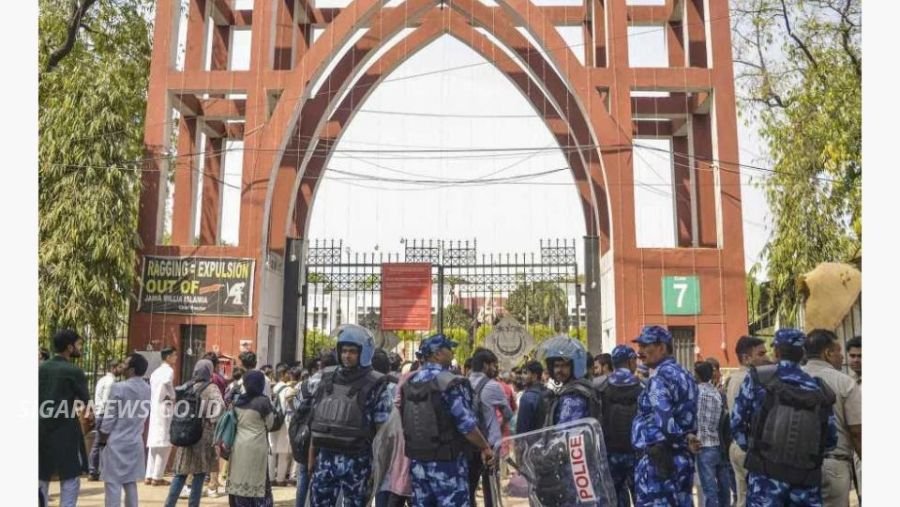
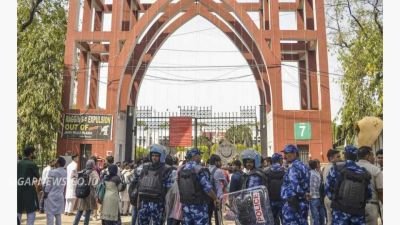
Students at Jamia Millia Islamia held a demonstration in New Delhi, India, demanding the reinstatement of student organizations. Tensions escalated on October 24, 2026.
NEW DELHI – Jamia Millia Islamia (JMI) University in India moved all classes online on Saturday, October 24, 2026, following escalating tensions between student protesters and university authorities over demands to restore the institution's students' union. A new agreement was issued on Monday, October 26, in an effort to resolve the dispute.
The protests began on October 12 with a hunger strike demanding the restoration of the Jamia Millia Islamia Students' Union (JMISU), whose elections have remained suspended since 2006.
Students also called for disciplinary measures against protesters to be withdrawn and for the university's chief proctor to be removed.
Tensions intensified on October 24 when university staff approached demonstrators near Gate No. 7 and the Gulistan-e-Ghalib lawns, urging them to end their protest.
The All India Students' Association (AISA) accused security personnel of assaulting demonstrators and dismantling protest tents while negotiations were underway.
University authorities, meanwhile, alleged that some protesters pushed security personnel, teachers and staff during the confrontation.
These remain competing allegations. No independently verified investigation has conclusively established responsibility for the confrontation.
In a notice signed by Registrar Professor Md. Mahtab Alam Rizvi on October 24, JMI announced that all courses would move online with immediate effect until further notice.
The university described the decision as a precautionary measure to protect students while maintaining academic activities.
Some protesters, however, argued that moving classes online could weaken their movement by discouraging students from gathering on campus.
The controversy also widened following the appearance of Free Kashmir graffiti. University authorities condemned the writing, while student representatives denied involvement and called for an investigation.
The latest development came when the university issued an order stating that students' union elections would take place within 15 days after the JMISU constitution receives approval.
The administration also agreed to revoke suspension orders and show-cause notices issued during the protests and establish a committee to investigate the conduct of security personnel.
Under the reported agreement, student protesters would publicly apologise for alleged offensive remarks and social media posts directed at the university administration.
Reports differed, however, on whether the dispute had been fully resolved.
NDTV reported that students had called off their agitation following the agreement. The Week, meanwhile, reported that some protesters remained dissatisfied because no firm deadline had been provided for approving the union constitution, while their demand concerning the chief proctor remained unresolved.
The October 26 agreement therefore represents a significant step towards resolving the confrontation, although the implementation of union elections and the remaining student demands require further monitoring.
Editor :Farros
Source : Jamia Millia Islamia, Press Trust of India (PTI), NDTV, The Indian Express, Hindustan Times, The Wee