Hollywood Begins Licensing Likenesses to AI as Actor Rights Face New Test
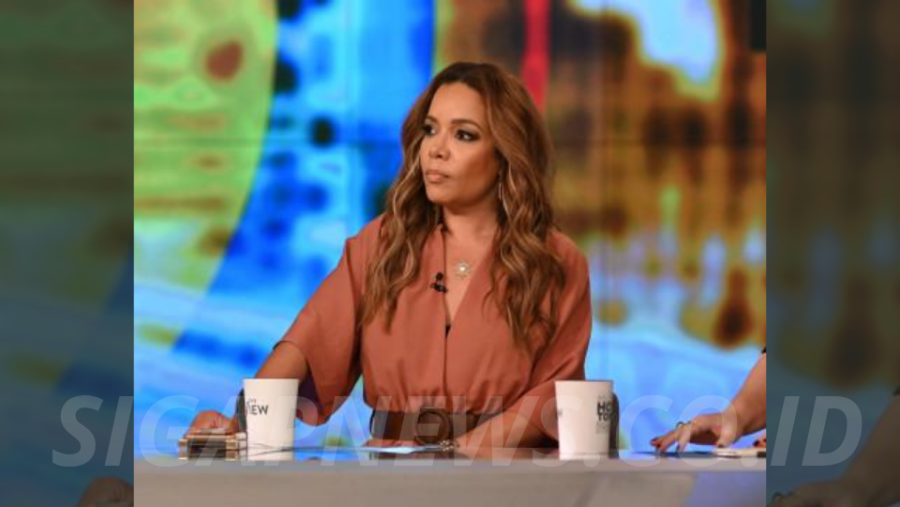
TV host Sunny Hostin has licensed her name and likeness to the AI studio Fountain 0 for use in film and television productions, marking a new chapter in the debate over performers’ digital rights in Hollywood.
LOS ANGELES – Hollywood is facing a new debate over artificial intelligence after television host and author Sunny Hostin licensed her name and likeness to AI studio Fountain 0 for use in film and television productions.
Fountain 0 announced on Thursday, August 27, that Hostin had become one of the first major personalities to agree to develop and produce films while licensing her image and likeness for those productions.
The agreement is expected to allow Hostin's digital likeness to appear in projects based on her books, including Summer on Highland Beach. Hostin has embraced the technology as a way to bring her stories to screen while potentially reducing production limitations.
“I am thrilled to be a part of how top-quality AI productions can not only enable writers and directors to have their imaginations unleashed,” Hostin said, according to Entertainment Weekly.
.png)
Fountain 0 says its technology and virtual production studio can significantly reduce production costs while allowing filmmakers to pursue projects that might otherwise face budget constraints. The company also sees opportunities to license the likenesses of well-known personalities for future productions.
The move comes as Hollywood continues to debate the boundaries of AI-generated performances. The central questions include who controls a digital replica, how it can be used, whether performers must give explicit consent and how they should be compensated.
The actors' union SAG-AFTRA said on August 26 that it was working with Cameo, CAA, UTA, WME and other industry organizations to protect performers' names, voices, likenesses and creative works amid the rapid development of AI technology.
SAG-AFTRA identifies three key principles for AI use: clear consent, fair compensation and performer control. The union's existing guidance also requires renewed consent in certain circumstances when a digital replica is used for a different project or purpose.
The debate is expanding beyond actors. The Guardian recently reported that Hollywood writers, directors and producers facing shrinking job opportunities have begun taking work training AI systems to perform creative and production-related tasks.
Hostin's agreement could therefore signal the emergence of a new entertainment business model in which celebrities license not only their physical performances but also their digital identities.
Whether that model becomes mainstream will depend on how Hollywood handles consent, ownership, transparency and compensation as AI-generated entertainment becomes increasingly sophisticated.
Editor :Farros
Source : Variety, Entertainment Weekly, Fountain 0, SAG-AFTRA AI Resources, The Guardian